
Is Bottled Water Bad for Your Health? What Long Island Residents Should Know About Microplastics in Bottled Water

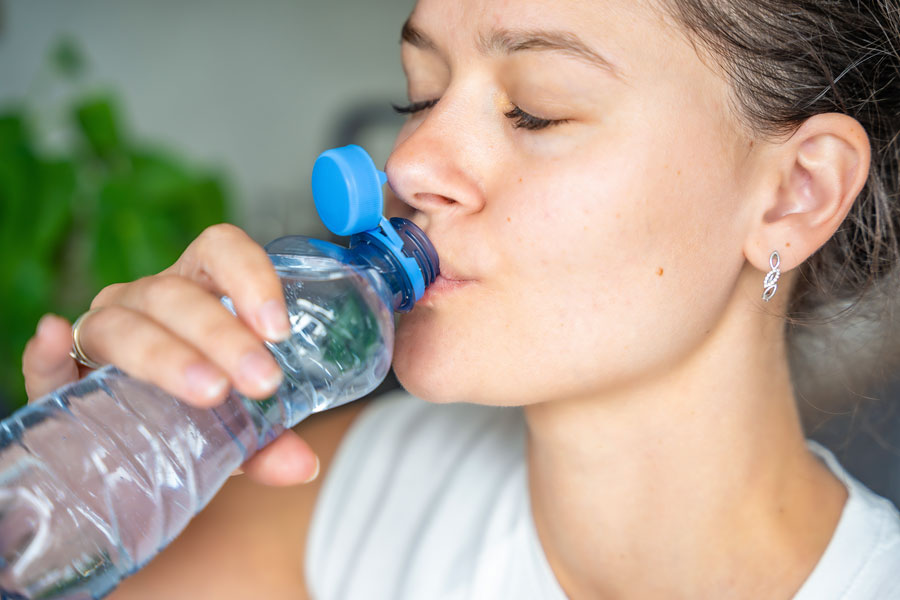
BABYLON, NY – Ever since water quality concerns began rising across Suffolk and Nassau Counties, bottled water has become a daily habit for many Long Island households. But new research into microplastics and chemical leaching has raised a different question: Is bottled water truly the safer choice?
Water quality concerns on Long Island have been well documented by the New York State Department of Environmental Conservation, the U.S. Geological Survey, the Long Island Commission for Aquifer Protection, and multiple county health agencies, all of which have reported rising levels of contaminants such as PFAS, nitrates, and industrial solvents in various communities over the past several decades.
For thousands of residents, bottled water feels like the more dependable option, especially in neighborhoods dealing with aging pipes, PFAS concerns, or poor-tasting tap water. But the growing body of scientific research into microplastics is prompting many to take a closer look at what they’re drinking every day.
This special report explores what scientists know so far, what they don’t know yet, and what practical steps Long Islanders can take to protect their health without giving up convenience.
The Rise of Bottled Water Use on Long Island
Long Island has one of the highest bottled-water consumption rates in New York. Reasons include:
- Concerns about tap water odor or taste
- PFAS contamination issues in parts of Suffolk County
- Aging infrastructure in older communities
- Households with private wells
- A preference for “safer” water for cooking and infants
Families often buy bottled water in bulk, sometimes several cases a week, making it both a routine expense and an assumed safety measure. But convenience doesn’t always equal purity, and recent studies have shifted the public conversation.
What Researchers Are Finding in Bottled Water
More than a dozen scientific studies have now detected:
- Microplastics (tiny plastic fragments)
- Nanoplastics (even smaller particles that may pass through cell barriers)
- Plastic-associated chemicals, including:
- Phthalates
- Antimony
- Bisphenols (many bottles are BPA-free, but other bisphenols may still be present)
These materials often come from:
- The bottle itself
- The cap
- Manufacturing processes
- Degradation during storage or transport (especially in heat)
Researchers are divided on the level of risk, but most agree on one point: people who drink bottled water as their primary water source consume far more microplastics than those who drink filtered tap water.
Long-Term Health Effects (Based on Current Science)
Scientists do not yet have conclusive evidence that bottled water causes long-term illness, but early findings suggest several potential concerns:
Possible Health Impacts
- Inflammation caused by microplastic particles
- Endocrine disruption from phthalates or bisphenols
- Digestive system irritation
- Immune response changes
- Potential long-term accumulation of tiny plastic fragments in organs (still being studied)
Importantly, most people will not experience obvious symptoms from bottled-water exposure. The concern is cumulative, long-term exposure over many years.
How Microplastics Enter the Human Body
Microplastics enter through:
- Drinking bottled water
- Eating food stored in plastic
- Ingesting seafood (shellfish are notable carriers)
- Airborne particles
- Heating food in plastic containers
Most ingested microplastics pass through the digestive tract and exit the body – but some may cross into the bloodstream or tissues, particularly nanosized fragments.
Can You Detox or Remove Microplastics?
There is no medical procedure that removes microplastics directly, but the body naturally eliminates many plastic-related chemicals through:
- Stool
- Urine
- Sweat
You can support these processes through:
Helpful Habits
- Drinking filtered water
- Eating more fiber (helps bind contaminants)
- Adding cruciferous vegetables (supports liver detox pathways)
- Light cardio or sauna sessions (sweating removes some toxins)
- Reducing plastic contact with food
Plastic “detox products” sold online are not recommended and are often ineffective.
Safer Alternatives
Long Islanders looking to reduce plastic exposure have several good options:
- Filtered Tap Water: A carbon filter (such as PUR, Brita, or an under-sink system) significantly reduces contaminants.
- Stainless Steel or Glass Bottles: These eliminate leaching and microplastic concerns.
- Home Delivery 5-Gallon Jugs: most are BPA-free and stored at controlled temperatures.
- Aluminum Canned Water: Increasingly popular and generally low in microplastics.
Long Island-Specific Water Considerations
Long Island draws its water from a sole-source aquifer, which is naturally filtered through sand and soil. But the aquifer faces growing pressure from:
- PFAS contamination in certain Suffolk areas
- Nitrate runoff
- Agricultural chemicals
- Older pipes in aging neighborhoods
- Household well variability
Many residents use bottled water because of taste, not because their tap water is unsafe. Still, bottled water isn’t automatically cleaner – and in some cases, filtered tap water can be safer.
Local water authorities continue to publish annual water quality reports, which remain essential reading for households that rely on tap water or wells.
When Bottled Water Is Actually a Safer Choice
There are situations where bottled water is the better option:
- During main breaks or boil-water advisories
- In homes with contaminated private wells
- When tap water has known PFAS issues
- For infants when local tap water quality is uncertain
- During storms or infrastructure incidents
But long-term exclusive use should be weighed against the new scientific findings on plastic exposure.
Expert Recommendations
Health researchers and environmental experts generally advise:
- Do not panic – bottled water is not considered “dangerous,” but caution is reasonable.
- Avoid storing water in hot areas (cars, garages, porches).
- Do not reuse soft plastic bottles.
- Consider filtering tap water as a long-term, lower-plastic alternative.
- Keep bottled water as a backup or for emergencies, not the main water supply.
- For Long Island residents, read your local water district’s annual Consumer Confidence Report to understand your neighborhood’s specific water issues.
Key Facts & Details
| Category | Details |
|---|---|
| Main Concern | Microplastics and chemical leaching from plastic bottles |
| Health Risk Level | Low to moderate long-term exposure risk, but not considered acutely dangerous |
| Common Chemicals Found | Phthalates, antimony, bisphenols, microplastics |
| Highest Risk Factors | Bottles stored in heat, long-term exclusive bottled water use |
| Most Affected Groups | Heavy bottled-water users, people in hot climates, households storing cases in garages/cars |
| Safer Alternatives | Filtered tap water, stainless steel or glass bottles, aluminum canned water |
| Long Island Factors | PFAS concerns, aging pipes, well variability, rising bottled-water consumption |
| Expert Consensus | Bottled water is safe for short-term use; filtered water is better long-term |
Q&A Section
Q: Is bottled water dangerous to drink?
No. It is generally safe, but long-term use increases exposure to microplastics and plastic chemicals.
Q: Does bottled water cause cancer or major illness?
There is no evidence linking normal bottled-water consumption to cancer. Concerns relate to chronic low-level exposure, not acute toxicity.
Q: How do microplastics get into bottled water?
Mostly from the bottle itself, especially during manufacturing, transport, and warm storage.
Q: Can the human body remove microplastics?
Most microplastics pass naturally through the digestive tract, but nanoplastics may be absorbed. Chemical residues are removed through urine and sweat.
Q: What is the safest water for Long Island homes?
A good-quality carbon filtration system combined with stainless-steel or glass storage is widely considered the safest everyday choice.
Q: Is bottled water safer than tap water on Long Island?
Not necessarily. Tap water is heavily regulated and often cleaner than assumed. Bottled water varies by brand and storage conditions.
Q: What’s the best way to reduce plastic consumption?
Switch to filtered water, avoid heating food in plastic, and use reusable bottles.
Timeline:
1960s – 1980s: Early Awareness
- Long Island’s sole-source aquifer began showing signs of stress.
- Industrial facilities, dry cleaners, gas stations, and landfills contributed chemical contamination.
- The earliest warnings about nitrates, VOCs (volatile organic compounds), and industrial solvents appeared in state and federal reports.
But public awareness was limited, most people trusted their tap water.
1990s: First Major Wave of Concern
By the 1990s, several events brought water quality into the spotlight:
- Multiple wells across Nassau and Suffolk were shut down due to chemical contamination.
- EPA and the U.S. Geological Survey published studies warning that Long Island’s aquifer was becoming increasingly vulnerable.
- Agricultural pesticides in eastern Suffolk became a documented issue.
This is when water districts began upgrading treatment systems more aggressively.
Early 2000s: Development and Nitrate Growth
- Population growth increased groundwater pumping.
- More nitrogen from septic systems and fertilizers entered the aquifer.
- Wells in farming regions, particularly on the East End, showed elevated nitrate levels.
Again, concern grew, but it was mostly among scientists, regulators, and local advocates.
2013 – 2016: The Turning Point
The PFAS crisis (PFOA and PFOS contamination) marked the moment when water quality became a mainstream public issue.
Events included:
- The EPA began issuing health advisories for PFAS.
- Several water districts on Long Island were found to have elevated PFAS levels.
- Grumman-Navy contamination in Bethpage became a national news story.
- Lawsuits and cleanup demands fueled public outrage.
From this point forward, water quality became a front-page issue across Long Island.
2017 – 2020: Statewide Action & New Regulations
New York State:
- Passed some of the strictest PFAS limits in the country.
- Required treatment upgrades in many Long Island communities.
- Provided funding for contaminated well remediation.
Local residents increasingly turned to:
- Bottled water
- Home filtration systems
- Whole-house carbon filters
- Reverse osmosis units
This is also when bottled-water consumption on Long Island skyrocketed.
2020s: Major Investment + Growing Consumer Concern
Even today, concerns remain high due to:
- The Bethpage Plume cleanup
- PFAS in multiple water districts
- Septic system replacement programs
- Nitrate accumulation
- Aging pipes in older neighborhoods
Water quality remains one of Long Island’s top environmental issues, and the public is more engaged than ever.
Related Research
1. New York State Department of Environmental Conservation (NYSDEC)
NYSDEC has repeatedly classified Long Island’s aquifer system as “vulnerable” due to:
- Industrial contamination
- PFAS and VOCs
- Nitrate increases
- Septic leaching
They have multiple ongoing cleanup and monitoring programs specific to Long Island.
2. U.S. Geological Survey (USGS) Long Island Groundwater Studies
The USGS has been studying Long Island’s groundwater since the 1980s and has consistently documented:
- Rising nitrate levels
- Contamination plumes
- The impact of population growth
- Saltwater intrusion near the coasts
3. The Bethpage Plume (Grumman/Navy Contamination)
This is one of the most famous environmental contamination cases in New York State.
Key points:
- Toxic chemicals (including TCE and other solvents) from the former Grumman site spread underground for decades.
- It became a federally recognized Superfund site.
- It triggered public hearings, lawsuits, and mandatory cleanup actions.
4. PFAS Contamination Findings (2014 – Present)
Numerous Long Island water districts detected PFAS chemicals above health-advisory levels beginning around 2014–2016.
This led to:
- New York adopting some of the strictest PFAS standards in the country.
- Mandatory installation of new filtration systems in many districts.
5. Long Island Commission for Aquifer Protection (LICAP) Reports
LICAP publishes regular “State of the Aquifer” reports documenting:
- Contamination sites
- Trends in nitrate and chemical levels
- Areas of concern
- Public well closures
6. Suffolk & Nassau County Health Departments
Both counties have issued advisories, district-level water notices, and public updates on:
- Well closures
- Contamination clean-ups
- Treatment plant upgrades
7. Academic Research From Stony Brook University
Stony Brook has done extensive work on:
- Nitrogen pollution
- Septic system impacts
- Groundwater pathways
- Health and environmental effects
8. Increased Bottled Water Consumption Statistics
Local news outlets, environmental groups, and state reports have all noted a rise in bottled water use on Long Island, often tied to:
- Concerns about tap water taste
- Fear of contaminants
- PFAS-related anxiety
Are you ready for fall on Long Island? Check out these local seasonal guides:
🍎 Apple Picking | 🍂 Fall Festivals & Farm Activities | 👻 Haunted Houses | 🎃 Pumpkin Picking