
Brookville, New York
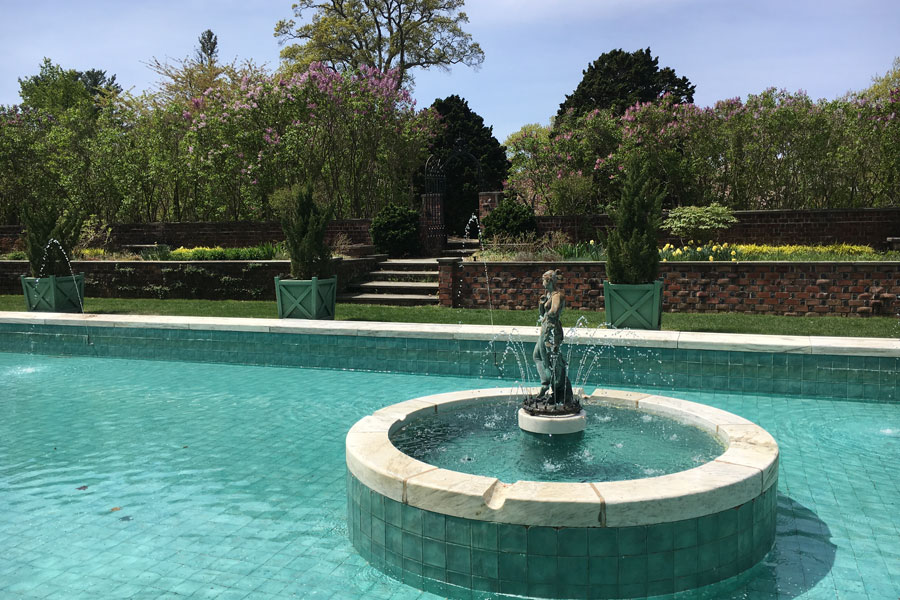
Brookville is an incorporated village in the Town of Oyster Bay on the North Shore of Long Island, in Nassau County, New York. Known for wooded roads, large residential properties, historic estates, and its close connection to Long Island’s Gold Coast, Brookville remains one of the North Shore’s best-known estate communities.
The village covers just under four square miles and had a population of 2,939 in the 2020 Census. Development is overwhelmingly residential, with large lots, extensive tree cover, and little commercial activity within the village itself. Brookville is also home to the LIU Post campus and the Tilles Center for the Performing Arts, giving the village an educational and cultural presence unusual for a community of its size.
History of Brookville
Before European settlement, the area was part of the homeland of the Matinecock people, whose territory extended across a broad portion of Long Island’s North Shore. Brookville’s official village history traces European settlement in the area to the mid-17th century, when the surrounding land was still largely forest, farmland, and open countryside.
The community was known by several names before Brookville became established. Early references include Suco’s Wigwam and Wolver Hollow, while much of the area was known as Tappentown during the 19th century after a prominent local family. Brookville became the preferred name after the Civil War and appeared on maps by the 1870s.
Agriculture remained central to the local economy well into the 19th century. Farmers raised crops and livestock, while horse breeding became an important activity as animals were trained for use by businesses and transportation companies in New York City. Improved road and rail connections gradually made northern Nassau County more accessible from the city and helped prepare the region for the major changes that followed.
Gold Coast Development
Brookville changed dramatically during the late 19th and early 20th centuries as wealthy New Yorkers began purchasing farmland and woodland throughout the North Shore. Large country estates replaced many earlier agricultural properties, and Brookville became part of the region that came to be known as Long Island’s Gold Coast.
By 1923, approximately 22 large estates stood within the area that would become the incorporated village. Many featured substantial mansions, formal gardens, horse facilities, private roads, service buildings, and carefully planned landscapes. The estate era left a lasting imprint on Brookville’s road pattern, architecture, lot sizes, and wooded character.
The Village of Brookville was incorporated in 1931. At first, the village consisted mainly of a narrow tract centered along Cedar Swamp Road, now NY 107. During the 1950s, the northern area then known as Wheatley Hills was added to the village, substantially increasing Brookville’s size and helping establish its present boundaries.
LIU Post and the Hillwood Estate
One of Brookville’s most important landmarks is the LIU Post campus, which occupies the former Hillwood estate of Marjorie Merriweather Post. From 1921 until 1951, Hillwood served as the country residence of Post, the heiress to the Post cereal fortune, and for part of that period her husband E.F. Hutton.
Long Island University purchased the 177-acre estate in 1951 as it expanded educational opportunities for the rapidly growing suburban population of Long Island. The campus was named for Charles William Post, Marjorie Merriweather Post’s father and founder of the Post cereal company.
The former main residence survives today as Winnick House. Its Tudor Revival architecture, woodwork, leaded windows, and large interior spaces preserve much of the character of the original Hillwood mansion while the building now serves university purposes. Over time, the campus expanded beyond the original estate and today encompasses more than 300 acres with academic buildings, residence halls, athletic facilities, and several historic mansion properties.
Education and Culture
LIU Post gives Brookville a significant educational and cultural role within the North Shore. The university hosts academic programs, athletics, lectures, performances, and public events throughout the year.
The Tilles Center for the Performing Arts, located on the LIU Post campus, is one of Long Island’s major performing arts venues. Established in 1970, the center presents concerts, theater, dance, family programming, and touring performers, drawing audiences from across Nassau County and beyond.
Public school district boundaries in Brookville vary by property, so school assignments should be confirmed for a specific address. The village lies near communities served by several North Shore school districts, including areas associated with Jericho, Locust Valley, and surrounding villages.
Geography and Residential Character
Brookville occupies approximately 3.95 square miles of land in northern Nassau County. The village is characterized by rolling terrain, mature trees, winding roads, estate properties, and large residential parcels. Despite its proximity to heavily developed portions of Nassau County, much of Brookville retains a semi-rural appearance.
The village has no traditional downtown or large commercial district. Zoning has long played an important role in maintaining Brookville’s low-density character, and the village continues to be defined primarily by residential land use. Many properties are set well back from public roads behind mature landscaping, stone walls, gates, or long driveways.
Brookville is closely connected with neighboring North Shore communities including Old Brookville, Upper Brookville, Muttontown, Greenvale, and Glen Head. Shopping, dining, rail service, and many everyday services are found primarily in surrounding communities rather than within the village itself.
Parks, Gardens and Nearby Historic Sites
Brookville’s location places it near several of the North Shore’s major public historic and recreational destinations. Planting Fields Arboretum State Historic Park in nearby Upper Brookville preserves the former Coe estate, including Coe Hall, formal gardens, greenhouses, woodland paths, and extensive landscaped grounds.
Old Westbury Gardens is another major Gold Coast property within a short drive, offering public access to a historic mansion, gardens, and landscaped estate grounds. Together with LIU Post and the Tilles Center, these destinations make the Brookville area one of the strongest concentrations of Gold Coast history, architecture, gardens, and cultural institutions in Nassau County.
Transportation
Brookville is primarily an automobile-oriented community. NY 107, also known locally as Cedar Swamp Road, runs through the village and provides connections toward Glen Cove, Greenvale, and central Nassau County. Nearby Northern Boulevard (NY 25A) provides another major east-west route across the North Shore.
There is no Long Island Rail Road station within Brookville. Nearby stations in communities such as Greenvale and Glen Head provide rail access on the Oyster Bay Branch, while other stations may be convenient depending on the destination and travel schedule.
Brookville, New York
Key Facts and Details
| Community | Brookville, New York |
| Community Type | Incorporated village |
| Town | Town of Oyster Bay |
| County | Nassau County |
| Region | North Shore of Long Island |
| 2020 Population | 2,939 |
| Land Area | Approximately 3.95 square miles |
| Incorporated | 1931 |
| Early Names | Suco’s Wigwam, Wolver Hollow, and Tappentown |
| Brookville Name | Became established after the Civil War and appeared on maps by the 1870s |
| Gold Coast Era | Approximately 22 large estates were located in the area by 1923 |
| Village Expansion | The former Wheatley Hills area was added during the 1950s, substantially enlarging the village |
| Major Institution | LIU Post |
| Historic Estate | Hillwood, former estate of Marjorie Merriweather Post |
| Historic Campus Building | Winnick House, the former Hillwood mansion |
| Cultural Venue | Tilles Center for the Performing Arts |
| Major Road | NY 107 / Cedar Swamp Road |
| Nearby Route | Northern Boulevard (NY 25A) |
| Rail Service | No LIRR station within the village; nearby stations include Greenvale and Glen Head on the Oyster Bay Branch |
| Land Use | Predominantly low-density residential |
| Known For | Gold Coast estates, LIU Post, wooded roads, large residential properties, and historic architecture |
| Nearby Communities | Old Brookville, Upper Brookville, Muttontown, Greenvale, and Glen Head |
| Nearby Historic Attractions | Planting Fields Arboretum State Historic Park and Old Westbury Gardens |
| Community Character | Wooded, historic, low-density, and primarily residential |
Brookville remains one of the communities where Long Island’s Gold Coast history is still closely tied to the modern landscape. Its early farming history, transformation into an estate community, 1931 incorporation, and later development around institutions such as LIU Post have each contributed to the village seen today. With wooded roads, large residential properties, surviving estate architecture, and major cultural destinations including the Tilles Center, Brookville continues to reflect the distinctive history and character of Nassau County’s North Shore.
Are you ready for fall on Long Island? Check out these local seasonal guides:
🍎 Apple Picking | 🍂 Fall Festivals & Farm Activities | 👻 Haunted Houses | 🎃 Pumpkin Picking