
Babylon, New York

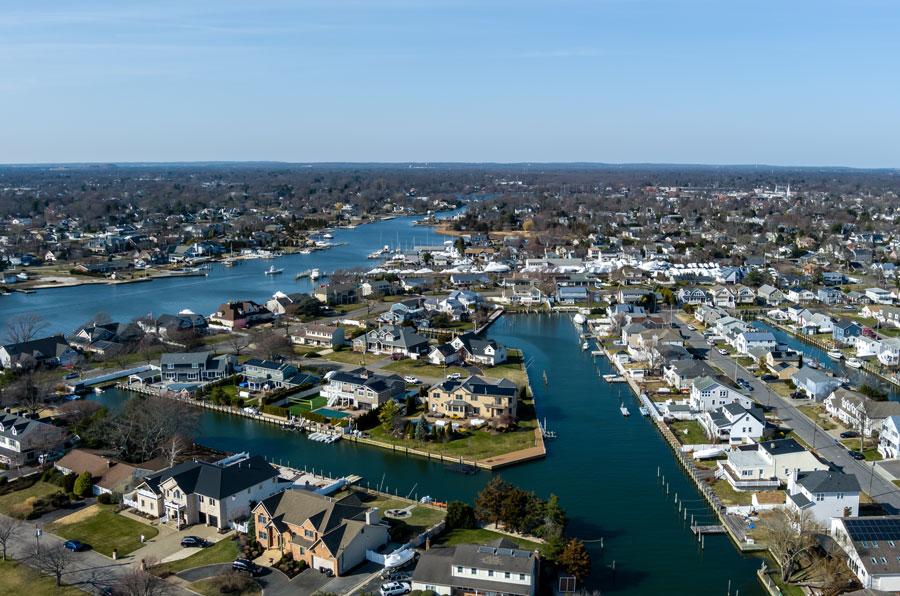
Babylon, New York, lies on Long Island’s South Shore in southern Suffolk County, about 35 miles east of Manhattan. The incorporated Village of Babylon serves as the historic downtown and waterfront center within the much larger Town of Babylon. Visitors are drawn to its walkable village core, marinas and bay access, strong commuter-rail connections, and proximity to beaches, parks, and gateways to Fire Island.
History & Heritage
- Origins: The area was long associated with salt hay harvesting, shoreline trade, and South Shore settlement patterns dating back to the colonial era. The Town of Babylon was created from part of Huntington in 1872, and the Village of Babylon was incorporated in 1893.
- Resort era: Expanded railroad service in the late 19th and early 20th centuries helped Babylon Village develop as a popular summer retreat, with hotels, estates, boating activity, and easy access from New York City.
- Historic sites:
- Nathaniel Conklin House and its local-history exhibits
- Old Town Hall, home to the Town of Babylon History Museum
- Argyle Park, nearby lakeside scenery, and village streetscapes that reflect Babylon’s historic development
Demographics & Community
- Village of Babylon: A compact waterfront community of roughly 12,000 residents with a traditional downtown, established neighborhoods, and a strong local identity.
- Town of Babylon: A much larger South Shore municipality with well over 200,000 residents spread across villages and hamlets including West Babylon, North Babylon, Lindenhurst, Deer Park, Copiague, Amityville, and others.
- Community character: The village is known for a walkable center, civic events, restaurants, and waterfront appeal, while the wider town includes diverse suburban neighborhoods, shopping corridors, parks, and marinas.
Transportation & Connectivity
- Rail: Babylon station sits on the Long Island Rail Road’s Montauk Branch and serves as the eastern terminal of the railroad’s electrified Babylon Branch service. It is one of the South Shore’s key commuter hubs, with service to Penn Station, Grand Central Madison, Atlantic Terminal, and other western terminals; travel times and schedules vary by train and time of day.
- Road & bus: The area is served by Sunrise Highway, Montauk Highway, the Southern State Parkway, and Suffolk County Transit bus routes, making Babylon accessible by both car and public transportation.
- Maritime access: Babylon’s South Shore setting places visitors close to marinas, boat launches, and Great South Bay recreation. Public access to Fire Island and bay excursions is generally found at nearby South Shore departure points, so check current seasonal service details before planning a trip.
Parks & Recreation
- Argyle Park & nearby village waterfront spaces: A signature green space with walking paths, mature trees, scenic water views, and a central role in community events.
- Hawley’s Lake area: Adds to the village’s waterside character and helps define Babylon’s historic park-and-waterfront setting.
- Gilbert C. Hanse Memorial Pool: A longtime local recreation facility near the village waterfront; hours and seasonal operations may vary.
- Town recreation: The wider Town of Babylon offers additional parks, beaches, marinas, pools, spray parks, sports facilities, and public golf, including well-known waterfront and family recreation areas in surrounding communities.
Institutions & Culture
- Town of Babylon History Museum at Old Town Hall presents exhibits on local government, village life, and regional history; hours may vary, so check ahead before visiting.
- Nathaniel Conklin House and local historical organizations help preserve Babylon Village’s architectural and civic heritage.
- The Argyle Theatre at Babylon Village contributes to the local arts scene, alongside seasonal concerts, fairs, holiday events, and other community programming.
Housing & Lifestyle
- Village setting: Babylon Village is known for older homes, tree-lined streets, a traditional downtown, and easy access to both the train station and the waterfront.
- Broader town: Beyond the village, the Town of Babylon includes a wide range of neighborhoods, from canalfront and bay-adjacent areas to classic postwar suburban communities.
- Everyday appeal: Residents and visitors alike value the mix of dining, local shops, commuter convenience, parks, boating culture, and South Shore atmosphere.
Babylon Snapshot
| Feature | Details |
|---|---|
| Village population | Roughly 12,000 residents |
| Town population | Well over 200,000 residents across multiple hamlets and villages |
| Character | Historic village center, waterfront neighborhoods, and broader South Shore suburbs |
| Transportation | Major LIRR hub, bus connections, and access via major South Shore roads |
| Water access | Marinas, boating, bay recreation, and nearby Fire Island departure points |
| Historic sites | Old Town Hall, Nathaniel Conklin House, and Argyle Park area |
| Parks & recreation | Village green spaces, pool facilities, and town parks nearby |
| Culture | Museums, theatre, local dining, and year-round community events |
Babylon blends historic waterfront charm, commuter convenience, and South Shore character, from its compact village center to the larger surrounding town. It remains an important cultural, civic, and transportation hub in this part of Long Island.
Babylon Village
Clarifying the Town of Babylon vs. Babylon Village
Although they share the name Babylon, the Town of Babylon and Babylon Village are not the same thing. The Town of Babylon is a large municipal area in Suffolk County made up of multiple hamlets and incorporated villages, including West Babylon, North Babylon, Lindenhurst, Deer Park, Copiague, Amityville, and others. Babylon Village refers specifically to the historic downtown-and-waterfront community within that town, known for its harborfront setting, shops, restaurants, and local events. Keeping that distinction in mind helps visitors understand whether they are looking at the wider town or the specific village center.
Are you ready for fall on Long Island? Check out these local seasonal guides:
🍎 Apple Picking 🍓 Strawberry Picking 🎃 Pumpkin Picking 👻 Haunted Houses 🍂 Farm Festivals