
Republic Airport (FRG) in East Farmingdale, NY
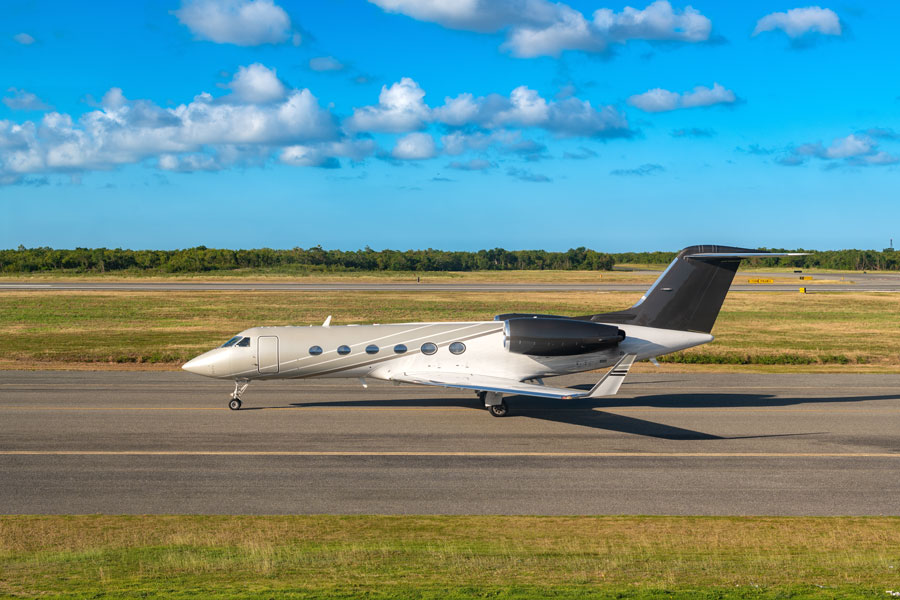
Republic Airport (FRG), located in the East Farmingdale area of Suffolk County with a Farmingdale mailing address, is one of Long Island’s most important aviation hubs for general aviation, charter activity, business aircraft, and pilot training. Unlike commercial airports such as MacArthur, Republic primarily serves private, corporate, instructional, emergency, and specialty aviation operations and is operated by the New York State Department of Transportation.
Location & Access
- Address: 7150 Republic Airport, Farmingdale, NY 11735
- Nearby Highways: Just off Route 110, with convenient access from the Long Island Expressway (I-495) and the Southern State Parkway
- LIRR Access: Farmingdale Station is the closest Long Island Rail Road stop; taxis, ride-hailing, or other prearranged transportation are typically needed for the last leg
- Visitor Note: Republic is a working general aviation airport, not a traditional commercial passenger terminal. If you are visiting a charter operator, flight school, museum, or aviation business, it is best to confirm directions, parking, security procedures, and access details ahead of time.
Airport Overview
- FAA/IATA Code: FRG
- ICAO Code: KFRG
- Elevation: About 82 feet above sea level
- Runways: Two asphalt runways, approximately 6,833 feet and 5,516 feet long
- Operator: New York State Department of Transportation
- Origins: The airfield dates to 1927 and is closely tied to Long Island’s aviation and aerospace history, including Fairchild and Republic Aviation
Republic Airport does not function as a conventional scheduled airline airport, but it sees substantial daily activity from private aircraft, corporate jets, helicopters, medevac flights, maintenance operators, and aviation schools. It also serves as an important reliever airport for the greater New York metropolitan region, helping accommodate aviation activity that would otherwise place more pressure on larger commercial airports.
Recent and Ongoing Improvements
Republic Airport continues to receive infrastructure investment to support safety, airfield reliability, and long-term operations. A 2025 funding announcement highlighted runway and airfield-related improvement work at Republic. Project timing, construction schedules, and operational impacts can vary, so pilots and visitors should check ahead when planning airport-related travel.
Services & Tenants
Republic Airport is home to a mix of Fixed Base Operators (FBOs), flight-training providers, maintenance businesses, museums, and aviation support companies. Tenant rosters can change over time, but the airport remains one of Long Island’s best-known centers for aviation services.
- FBO Services: On-airport providers offer fueling, hangar space, ramp support, and passenger or crew amenities; well-known operators at Republic have included Atlantic Aviation and Sheltair
- Flight Training: Republic is a major base for pilot instruction, including programs associated with Farmingdale State College and private flight schools such as ATP Flight School
- Maintenance & Support: Aircraft maintenance, repair, avionics, detailing, and related support services are available through airport tenants and specialized aviation businesses
- Charter & Business Aviation: The field supports a wide range of private and corporate aviation activity serving Long Island and the New York area
Special Uses & Public Activity
- Helicopter operations: Republic supports rotary-wing activity including charter, utility, and medical or emergency flights
- Public safety and emergency use: Medevac, law-enforcement, and other mission-based aircraft may operate from the airport as needed
- American Airpower Museum: One of the airport’s best-known public-facing attractions, the museum preserves historic military aircraft and hosts aviation-themed programs; exhibit hours and flying-event schedules vary by season
- Events and demonstrations: Aviation-related events, open houses, or specialty programs may be hosted from time to time, but schedules vary and are not continuous public attractions
Community Role & History
Republic Airport occupies an important place in Long Island’s aviation history. The site traces its roots to the late 1920s and became closely associated with the region’s aircraft manufacturing legacy, especially through Fairchild and later Republic Aviation. Over the decades, it evolved into the state-operated general aviation airport seen today.
Its presence continues to benefit western Suffolk County and the wider region by supporting aviation jobs, aircraft services, business travel, emergency response capability, pilot education, and museum activity tied to the airfield’s historic setting. Republic also helps absorb general aviation traffic that might otherwise compete for space at larger downstate airports.
For most visitors, Republic Airport is best understood as a specialized transportation and aviation-services facility rather than a conventional sightseeing stop. If you are flying in, scheduling a charter, visiting an aviation tenant, or attending an announced event, it is wise to confirm current access procedures, parking, and hours before you go. Airside areas are controlled, and public access is generally limited to designated businesses, offices, and approved attractions.
Vicinity on the Island
Location Summary
| Feature | Details |
|---|---|
| Location | East Farmingdale / Farmingdale area, NY |
| Primary Use | General aviation, flight training, charter, business aviation |
| Owned / Operated by | New York State Department of Transportation |
| Runways | Two asphalt runways, approximately 6,833 ft & 5,516 ft |
| Airline Service | No regular commercial passenger terminal; airport activity centers on general aviation and charter operations |
| Services | FBOs, flight schools, maintenance, charter support, aviation-related attractions |
| Public Transit | Nearest LIRR stop is Farmingdale Station |
| Recent Investment | 2025 funding announcement for runway and airfield improvements |
In many ways, Republic Airport operates just outside the spotlight, yet its impact is felt across Long Island and the greater New York region every day. By supporting everything from pilot training and emergency response to corporate travel, aircraft services, and aviation heritage, it fills a critical niche that larger commercial airports cannot. Its continued activity and investment help ensure that it remains not just a piece of the region’s aviation history, but an active and essential part of its future.
Are you ready for fall on Long Island? Check out these local seasonal guides:
🍎 Apple Picking 🍓 Strawberry Picking 🎃 Pumpkin Picking 👻 Haunted Houses 🍂 Farm Festivals