
Long Island Volunteer Fire Departments
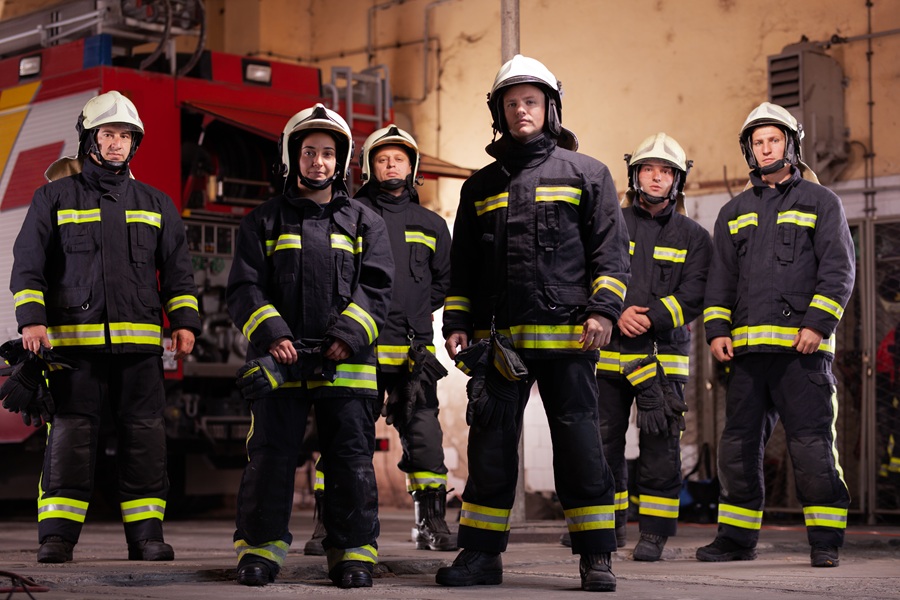
Why Long Island Has So Many Volunteer Fire Departments
Long Island is unusual for a region of its size and population because the vast majority of its fire departments are volunteer-based, not career or fully paid municipal departments. In many communities, emergency fire and rescue services are provided by local volunteer fire departments that operate independently of town or county governments.
This page explains why Long Island relies so heavily on volunteer fire departments, how the system developed, and how it continues to function today.
The Short Answer
Long Island has so many volunteer fire departments because:
- They were formed before large municipal governments existed
- They are tied to fire districts, not towns or counties
- New York State law allows – and historically encouraged – local volunteer service
- Communities chose local control rather than centralized fire services
Once established, these departments became deeply embedded civic institutions that were never consolidated.
Fire Departments on Long Island Are Not Run by Towns
One of the most common misconceptions is that fire departments are town agencies.
On Long Island:
- Fire departments typically operate within fire districts
- Fire districts are separate legal and taxing entities
- Town governments do not directly control fire departments
- Counties do not provide routine fire protection services
This structure allows each community to maintain its own department, equipment, and leadership.
Historical Origins of Volunteer Fire Departments
Many Long Island fire departments date back:
- To the late 1800s or early 1900s
- To farming villages and early suburban hamlets
- To periods before formal town infrastructure existed
As communities grew:
- Residents organized volunteer fire companies
- Firehouses became local gathering points
- Departments expanded rather than merged
When suburban development accelerated after World War II, new departments were often created instead of consolidating existing ones.
Why Consolidation Rarely Happened
Unlike some regions that transitioned to centralized fire services, Long Island did not broadly consolidate fire departments.
Key reasons include:
- Strong community identity tied to local firehouses
- Independent fire district funding through local taxes
- Resistance to losing local control
- Differences in equipment, coverage areas, and response protocols
As a result, many small departments continue to operate side by side.
How Volunteer Fire Departments Are Funded
Volunteer fire departments are not unpaid operations, even though firefighters themselves are volunteers.
Funding typically comes from:
- Fire district taxes
- Municipal budget allocations to fire districts
- State and federal grants
- Fundraising and community support
Firefighters generally:
- Are not salaried
- Receive training, equipment, and benefits
- May receive limited stipends or tax benefits under state programs
What “Volunteer” Means on Long Island
On Long Island, “volunteer” does not mean informal or untrained.
Volunteer firefighters typically:
- Complete state-mandated training
- Respond to emergencies on call
- Operate modern fire apparatus
- Coordinate with neighboring departments and emergency services
Many departments also provide:
- Emergency medical services (EMS)
- Rescue operations
- Mutual aid to neighboring districts
How Many Volunteer Departments Are There?
Long Island has hundreds of fire departments and fire companies, with:
- Nassau County containing dozens of distinct departments
- Suffolk County containing even more due to its size and geography
Each department serves a defined fire district, which may:
- Cover a hamlet
- Span multiple neighborhoods
- Overlap with town or village boundaries
Why This Is Unusual Compared to Other Regions
In many metropolitan areas:
- Fire services are centralized
- Departments are fully paid
- Coverage is county- or city-wide
Long Island’s system stands out because:
- It combines suburban density with volunteer service
- It maintains local control at a very granular level
- It has avoided widespread consolidation despite population growth
This makes Long Island one of the largest regions in the country still relying heavily on volunteer fire protection.
Nassau vs. Suffolk County Differences
While both counties rely on volunteer departments:
- Nassau County has smaller, more densely packed fire districts
- Suffolk County fire districts often cover larger geographic areas
- Rural and semi-rural areas in Suffolk rely heavily on volunteer response
Despite these differences, the underlying structure is similar across both counties.
Common Misunderstandings
- Volunteer departments are not informal or unregulated
- Firefighters are not town employees
- Fire districts are not the same as towns or villages
- Volunteers receive extensive training
- Coverage areas are carefully defined
These misunderstandings are common among new residents and those relocating from cities with centralized fire services.
In Summary
- Long Island relies heavily on volunteer fire departments
- Departments are organized through independent fire districts
- The system developed historically and was never consolidated
- Volunteers are trained, equipped, and integrated into emergency response
- This structure is unusual for a region of Long Island’s size
Understanding this system helps explain local taxes, governance, and emergency services across Long Island communities.
Editorial Note
This page provides general guidance based on long-standing fire protection structures on Long Island. Specific department operations and funding mechanisms may vary by district.
Maintained by LongIslandGuide.com
This explainer is maintained as a neutral reference to help residents understand how volunteer fire departments operate across Long Island.