
Fire Districts vs. Towns vs. Villages on Long Island
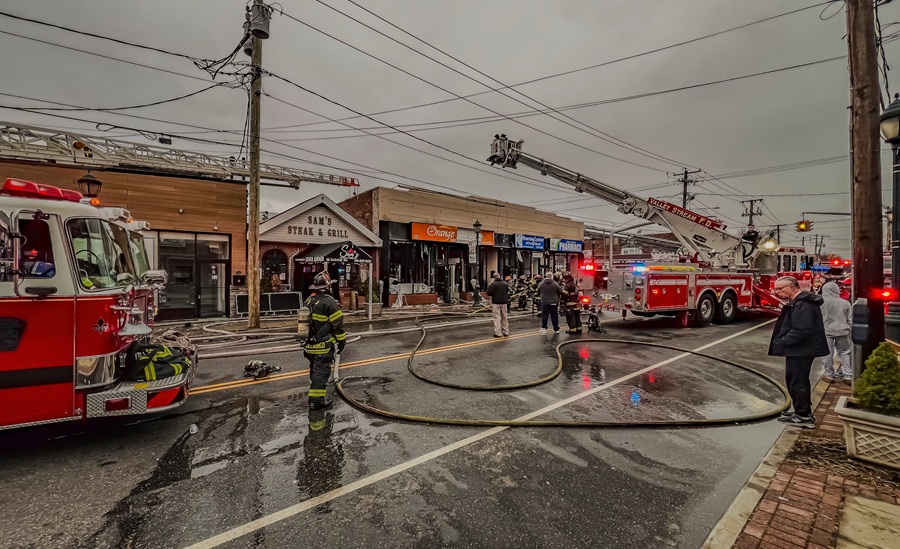
How Fire Protection Is Governed and Taxed
Fire protection on Long Island is not provided directly by towns or counties in most cases. Instead, it is delivered through independent fire districts, which operate separately from towns and villages and have their own budgets, taxes, and governance structures.
This page explains the difference between fire districts, towns, and villages on Long Island, how each functions, and why understanding the distinction matters for residents and property owners.
The Core Distinction
- Towns are general-purpose local governments
- Villages are incorporated municipalities within towns
- Fire districts are special-purpose taxing entities.
Fire districts exist solely to provide fire protection and emergency services, and they operate independently of towns and villages.
What a Fire District Is
A fire district is a legally established special district created under New York State law.
Key Characteristics of Fire Districts
- Independent taxing authority
- Governed by elected fire commissioners
- Responsible for funding fire protection and related services
- Serve a defined geographic area
Fire districts do not govern land use, zoning, or general municipal services.
What Fire Districts Are Responsible For
Fire districts typically fund and oversee:
- Firefighting operations
- Emergency medical services (EMS), in many cases
- Fire apparatus and equipment
- Firehouse facilities
- Training and safety programs
The firefighters themselves are often volunteers, but the district funds the operation.
How Fire Districts Differ From Towns
Towns:
- Provide broad municipal services
- Govern land use and zoning
- Maintain roads and parks
- Do not usually operate fire departments directly
Fire Districts:
- Exist solely for fire and emergency services
- Levy their own taxes
- Do not control zoning or land use
- Operate independently of town boards
A town may contain multiple fire districts, each with different tax rates and coverage areas.
How Fire Districts Differ From Villages
Villages may:
- Provide additional municipal services
- Operate their own police departments
- Levy village taxes
However:
- Most villages do not replace fire districts
- Fire protection is often still handled by a fire district
- Some villages contract with nearby districts or departments
Village incorporation does not automatically eliminate fire districts.
Why Fire District Boundaries Don’t Match Town or Village Lines
Fire district boundaries are often based on:
- Historical service areas
- Response time considerations
- Development patterns at the time of formation
As a result:
- Fire districts may cross town lines
- A village may be served by more than one district
- A single fire district may serve multiple hamlets
This is a major source of confusion for homeowners.
How Fire District Taxes Work
Fire districts levy taxes only for fire and emergency services.
These taxes:
- Appear as a separate line on property tax bills
- Are in addition to town, county, school, and village taxes
- Vary by district based on budget and assessed values
Fire district taxes apply regardless of whether a department is volunteer-based.
Why Fire Districts Exist Separately
Fire districts developed separately because:
- Fire protection predated modern town services
- Local communities organized their own fire response
- State law supported local fire governance
- Consolidation was rarely pursued
Once established, fire districts were rarely dissolved.
Nassau vs. Suffolk County Considerations
While the structure is similar across Long Island:
- Nassau County has many small, closely spaced fire districts
- Suffolk County districts often cover larger geographic areas
- Rural and semi-rural areas rely heavily on district-based coverage
Despite differences in scale, the legal framework is the same.
Common Misunderstandings
- Fire districts are not town departments
- Firefighters are not town employees
- Volunteer departments still require tax funding
- Village incorporation does not eliminate fire district taxes
- Fire district boundaries are not intuitive
These misunderstandings frequently surface in tax and homeownership discussions.
Why This Matters to Homeowners
Understanding fire districts helps residents:
- Interpret property tax bills
- Understand local tax differences
- Know who governs fire services
- Navigate local government layers
Fire district taxes are one of the most overlooked line items on Long Island tax bills.
In Summary
- Fire districts are independent special-purpose entities
- They operate separately from towns and villages
- They levy their own taxes for fire and emergency services
- Boundaries often do not align with municipal borders
- This structure is unique and deeply rooted on Long Island
Understanding fire districts clarifies how emergency services are funded and delivered across Long Island communities.
Editorial Note
This page provides general guidance on fire district governance on Long Island. Specific district operations, services, and tax rates vary by location and should be confirmed locally.
Maintained by LongIslandGuide.com
This explainer is maintained as a neutral reference to help residents understand how fire protection is organized and funded on Long Island.