Most Expensive Places to Live on Long Island
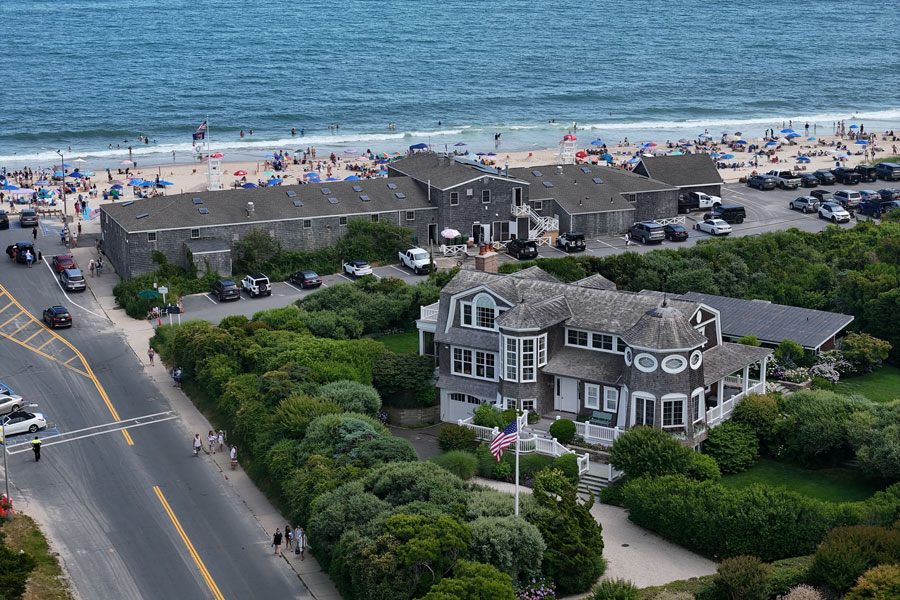
Long Island has long been known for its high cost of living, but some communities stand far above the rest when it comes to home prices, property taxes, and the income typically associated with ownership in these markets.
Using a combination of housing market data, tax patterns, and broader cost-of-living estimates, LongIslandGuide.com reviewed some of the most expensive places to live across Nassau and Suffolk counties.
Because luxury real estate can move quickly, exact rankings and pricing can shift from season to season. The communities below are consistently among Long Island’s costliest residential markets.
1. Sagaponack (South Fork, Suffolk County)

Recent market snapshot: Median home values often reach the mid-$6 million range or higher
Typical property taxes: Commonly $45,000+ annually on high-value homes
Estimated cost-of-living index: About 260 (U.S. average = 100)
Estimated income associated with comfortable ownership: Roughly $900,000/year
Sagaponack routinely ranks among the wealthiest ZIP codes in the country. Oceanfront estates, zoning constraints, farmland preservation, and very limited inventory keep prices exceptionally high.
2. Water Mill (Hamptons, Suffolk County)

Recent market snapshot: Median home values often fall around $5.2 million
Typical property taxes: Frequently $40,000+ annually
Estimated cost-of-living index: About 250
Estimated income associated with comfortable ownership: Roughly $750,000/year
Known for sprawling estates and proximity to Southampton Village, Water Mill combines rural privacy, beach access, and easy reach to other South Fork destinations.
3. Old Westbury (North Shore, Nassau County)
Recent market snapshot: Median home values often reach about $3.8 million
Typical property taxes: Commonly $60,000+ annually
Estimated cost-of-living index: About 240
Estimated income associated with comfortable ownership: Roughly $650,000/year
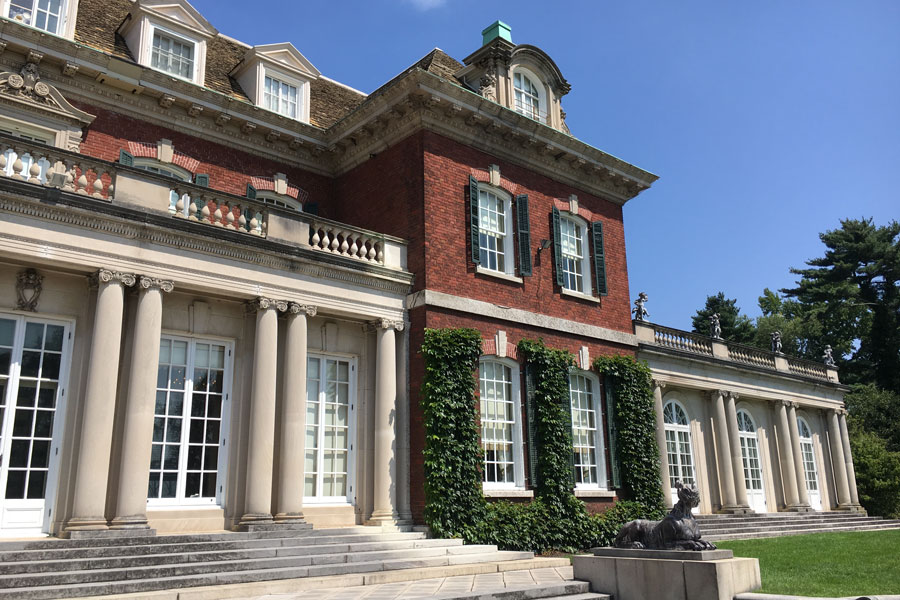
A historic Gold Coast community featuring grand homes on multi-acre properties, Old Westbury remains one of the most prestigious residential addresses on Long Island. Property taxes here are also among the region’s highest.
4. East Hampton Village (Suffolk County)
Recent market snapshot: Median home values often reach about $3.2 million
Typical property taxes: Frequently $35,000+ annually
Estimated cost-of-living index: About 235
Estimated income associated with comfortable ownership: Roughly $600,000/year
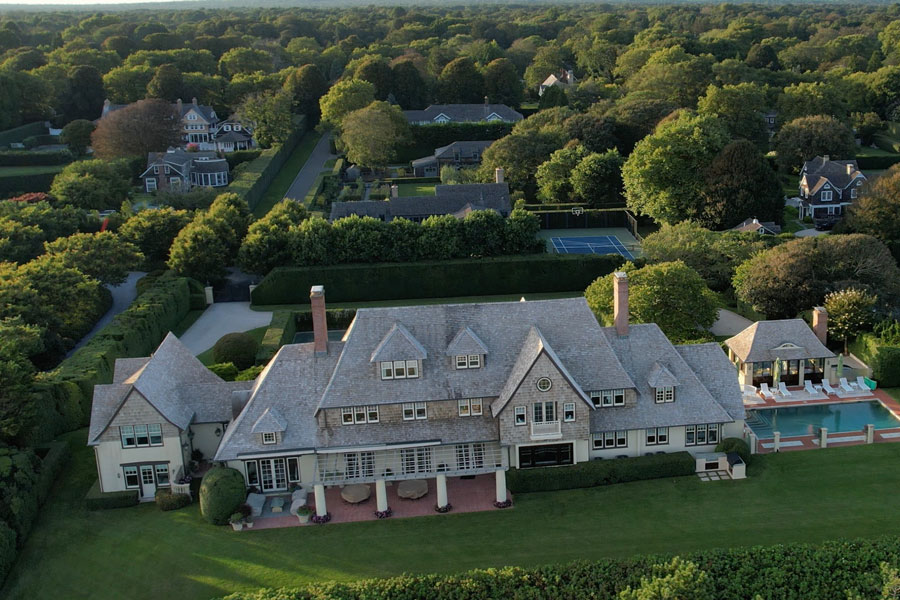
East Hampton Village benefits from sustained demand, prestigious addresses, and close access to beaches, boutiques, restaurants, and cultural institutions. Pricing can vary widely between village properties and larger estate areas nearby.
5. Brookville (North Shore, Nassau County)
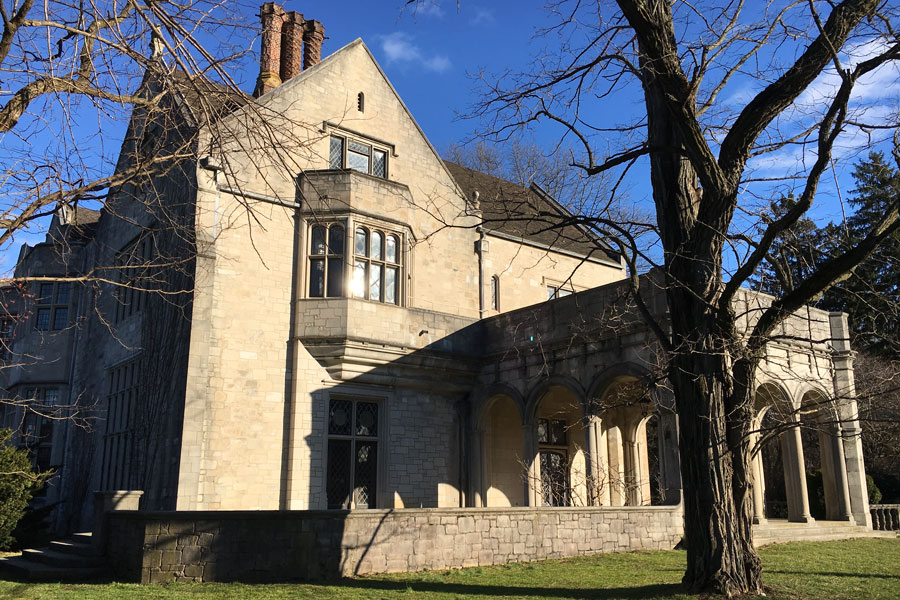
Recent market snapshot: Median home values often reach about $2.9 million
Typical property taxes: Commonly $55,000+ annually
Estimated cost-of-living index: About 230
Estimated income associated with comfortable ownership: Roughly $575,000/year
Home to large estates and private institutional campuses, Brookville offers seclusion on the North Shore while remaining within commuting distance of Manhattan and the rest of New York City.
6. Sands Point (Nassau County)
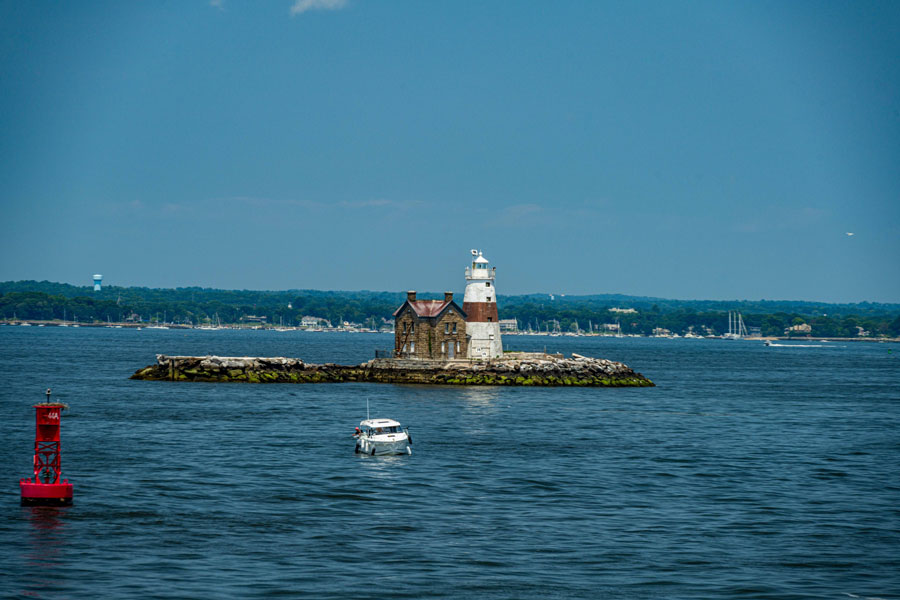
Recent market snapshot: Median home values often reach about $2.7 million
Typical property taxes: Frequently $50,000+ annually
Estimated cost-of-living index: About 225
Estimated income associated with comfortable ownership: Roughly $540,000/year
Waterfront estates and historic mansions define this Gold Coast enclave. Desirable shoreline property and a limited number of large residential parcels help support premium prices.
Key Factors Driving High Costs
Several factors consistently push Long Island’s most expensive communities to the top of the market:
- Limited land availability, especially near the water
- Beach, bay, harbor, or Sound access
- Proximity to New York City
- Historic estate zoning and large-lot requirements
- Strong school district reputations
- Persistent demand from affluent regional, national, and international buyers
Why Long Island Remains One of America’s Costliest Regions
Even outside these ultra-premium enclaves, Long Island’s property taxes, insurance costs, and housing prices routinely rank among the highest in the country.
For many residents, the decision to live here reflects a trade-off between affordability and access to beaches, schools, downtown villages, cultural institutions, commuter rail service, and relative proximity to Manhattan.
Methodology
This ranking was compiled using recent housing market data, municipal tax patterns, and cost-of-living estimates across Nassau and Suffolk counties. Figures are approximate and meant to illustrate relative cost, not quote exact purchase or ownership costs for any single property. Real estate conditions, tax bills, and affordability benchmarks can change, so readers should check current local data before making housing decisions.
Are you ready for fall on Long Island? Check out these local seasonal guides:
🍎 Apple Picking 🍓 Strawberry Picking 🎃 Pumpkin Picking 👻 Haunted Houses 🍂 Farm Festivals