
The North Fork of Long Island
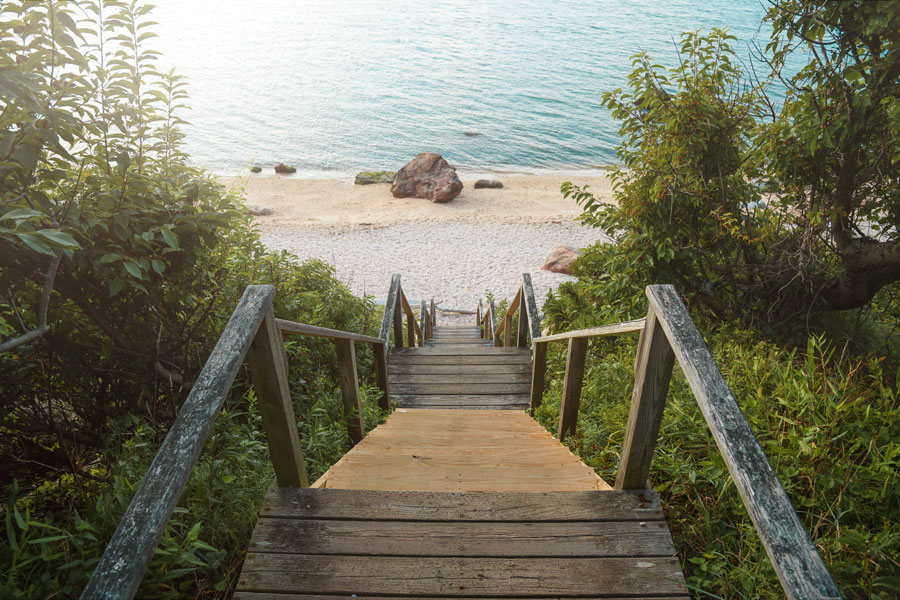
The North Fork of Long Island stretches east from Riverhead along Route 25 and Sound Avenue, with Long Island Sound to the north and Peconic Bay to the south. Known for its rural charm, wineries, farm stands, historic villages, and maritime heritage, the North Fork offers a completely different experience than its southern counterpart. Where the Hamptons are known for glitz and oceanfront resort culture, the North Fork is rustic, agricultural, and focused on food, wine, boating, and relaxed coastal living.
The region includes a chain of communities and hamlets that help define the East End’s quieter side, including Riverhead, Mattituck, Cutchogue, Southold, Greenport, Orient, and Orient Point. Together, these places form one of Long Island’s most distinctive travel corridors, blending farmland, vineyards, harbors, beaches, historic sites, and small-town village life.
History and Heritage
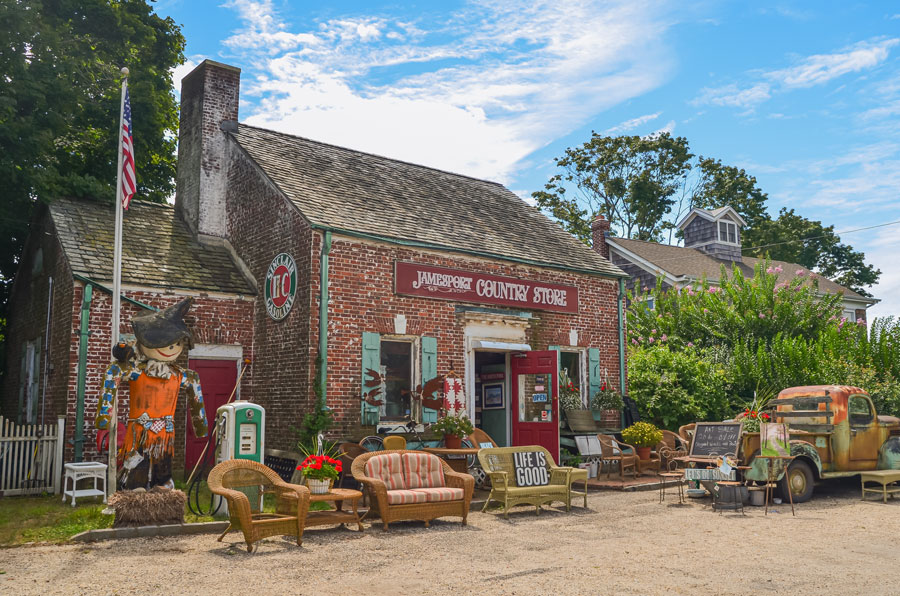
The North Fork’s history stretches back thousands of years, beginning with Native American communities, including the Corchaug people, who lived throughout the region long before European settlement. The area’s abundant waters, fertile soil, and protected harbors supported fishing, farming, shellfishing, and trade. During the 17th century, English settlers established some of Long Island’s oldest communities, including Southold, which became one of the first English settlements in New York.
For generations, agriculture and maritime industries shaped life on the North Fork. Family farms produced potatoes, vegetables, fruit, and livestock, while fishing fleets harvested the waters of Long Island Sound, Peconic Bay, and Gardiners Bay. Historic villages such as Greenport developed into important shipbuilding, whaling, and commercial fishing centers, helping drive the economy of the East End throughout the 18th and 19th centuries.
Beginning in the 1970s, the North Fork gained national recognition as a wine-producing region when pioneering vineyards demonstrated that the area’s maritime climate and sandy soils were ideal for growing premium wine grapes. Today, the region balances its agricultural roots with tourism, preserving thousands of acres of farmland while welcoming visitors to its vineyards, farm stands, historic waterfront communities, nature preserves, and scenic coastal landscapes. This blend of history, agriculture, and maritime heritage remains one of the defining characteristics of the North Fork.
Wineries and Vineyards
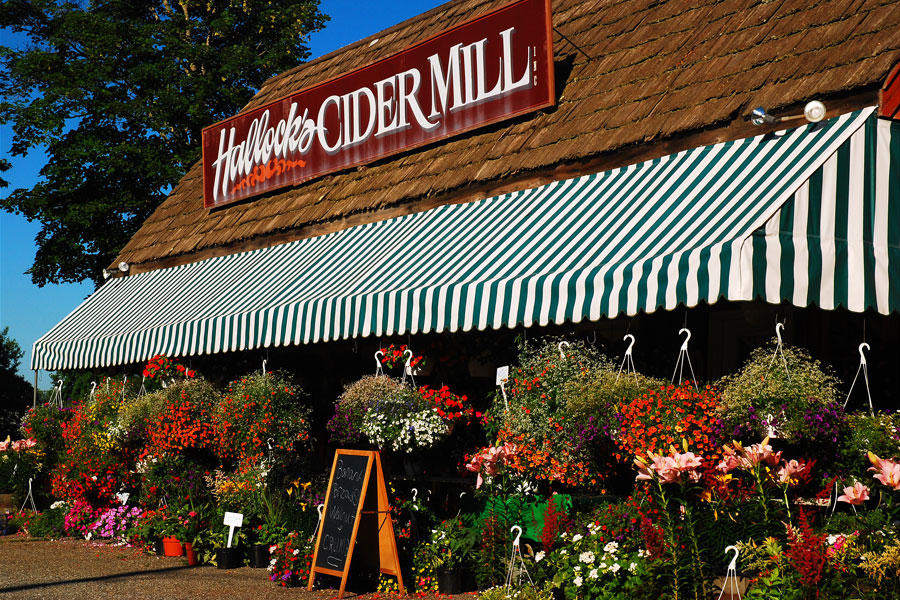
The North Fork is the heart of Long Island Wine Country, with more than 50 vineyards and tasting rooms spread across the region’s main roads and rural lanes. This concentration makes it easy to plan wine tours without long drives between stops, while the surrounding farmland and coastal scenery give the area a relaxed, countryside atmosphere. Signature varietals include Merlot, Cabernet Franc, Chardonnay, Sauvignon Blanc, and Bordeaux-style blends.
Many wineries are family-run and open year-round, often featuring live music, food trucks, vineyard views, and farm-to-table experiences. Wine tasting is one of the North Fork’s signature activities, but the appeal goes beyond the tasting rooms themselves. Visitors often combine winery stops with village shopping, waterfront dining, farm markets, and scenic drives through Suffolk County’s East End countryside.
Highlights include:
- Bedell Cellars – award-winning Merlots and an artistic tasting room experience.
- Paumanok Vineyards – known for Riesling, Chenin Blanc, and estate-grown wines.
- Macari Vineyards – sustainable winemaking with a modern tasting experience.
- Sparkling Pointe – specializing in méthode champenoise sparkling wines.
Farm Stands and Agritourism
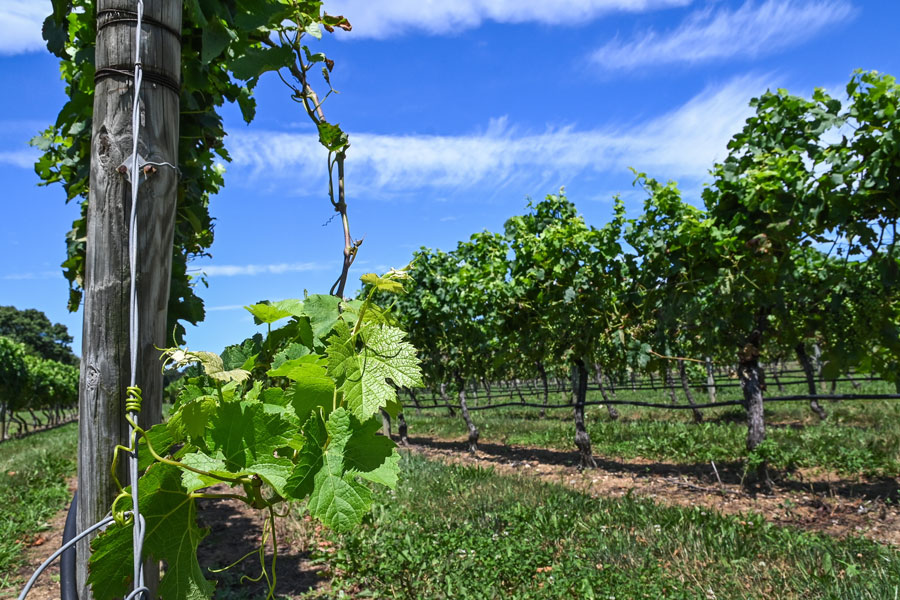
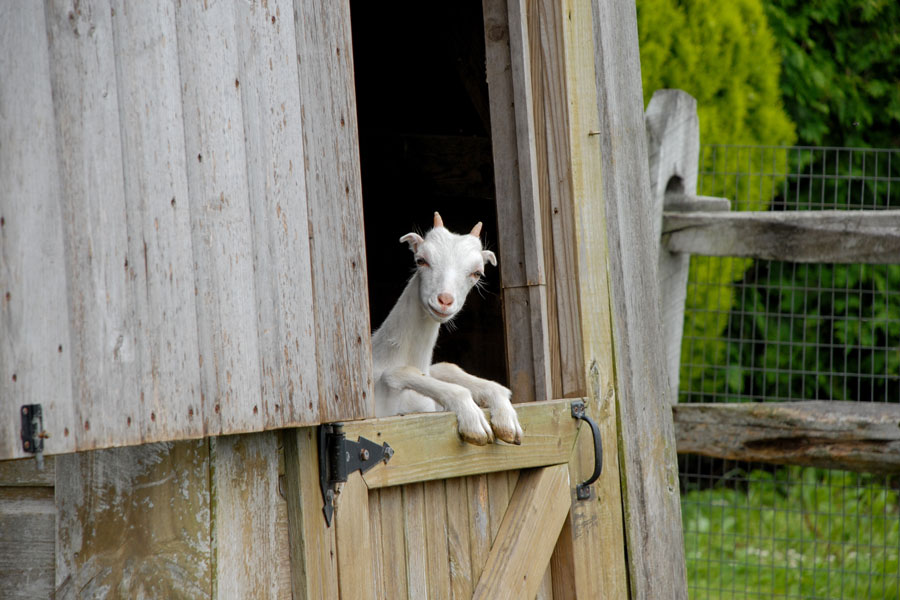
In addition to wine, the North Fork is known for its agricultural roots. Farm stands line the highways in summer and fall, selling sweet corn, tomatoes, pumpkins, fruit, flowers, baked goods, and locally made products. Apple and pumpkin picking are seasonal favorites, while lavender farms, nurseries, and roadside markets add color and variety during the warmer months.
This farm-to-table culture defines the region’s dining scene as well, with restaurants sourcing directly from local fields, vineyards, bays, and fishing boats. Agritourism has become one of the North Fork’s strongest draws, especially for families and weekend travelers who want a more relaxed alternative to crowded beaches and nightlife. Seasonal harvest festivals, farm animals, cider mills, and pick-your-own experiences help keep the region connected to the land that shaped it.
Coastal Life and Attractions
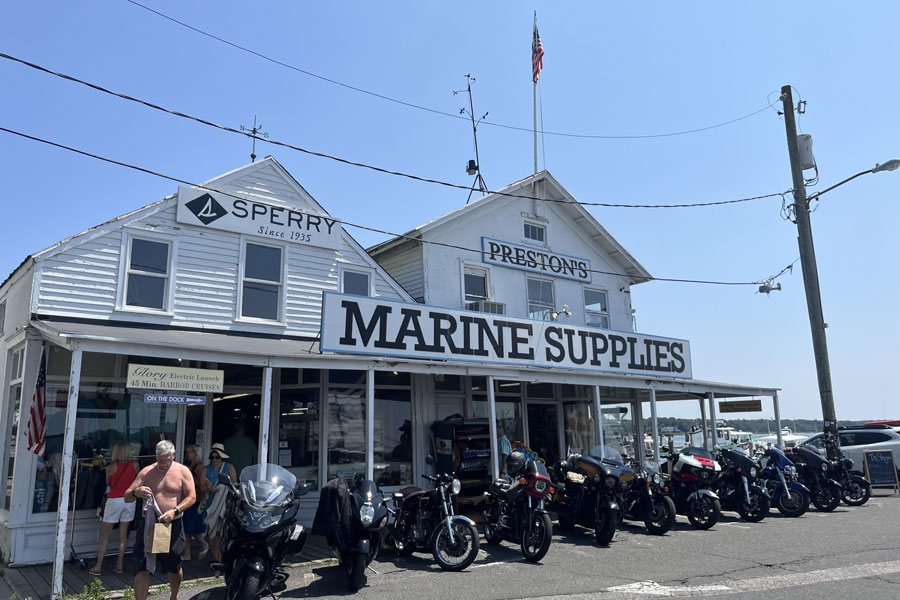
The North Fork’s identity is closely tied to the water. Surrounded by Long Island Sound, Peconic Bay, and Gardiners Bay, the region offers miles of shoreline, historic harbors, beaches, marinas, and waterfront villages. Boating, fishing, kayaking, sailing, paddleboarding, and sightseeing are popular throughout the year, while the area’s maritime heritage remains visible in its working waterfronts and fishing communities.
Orient Point, located at the eastern end of the North Fork, serves as both a gateway and destination. Visitors come for Orient Beach State Park, scenic coastal views, nature trails, birdwatching opportunities, and ferry service connecting Long Island to New England. The area offers some of the most unspoiled coastal landscapes on Long Island, with open water, salt marshes, beaches, and quiet roads that feel far removed from the island’s busier suburban corridors.
Greenport is the North Fork’s best-known waterfront village and one of Long Island’s most popular destinations. Once a major whaling, shipbuilding, and commercial fishing center, Greenport today blends its maritime history with boutique shops, waterfront restaurants, galleries, museums, marinas, and seasonal events. Its walkable downtown and active harbor make it a favorite stop for both day-trippers and weekend visitors.
Shelter Island, reached by ferry from Greenport, offers a quieter experience centered around beaches, nature preserves, boating, and outdoor recreation. The island’s relatively low-density development and protected open spaces have helped preserve much of its natural beauty, making it a popular escape from the more developed portions of Long Island.
Peconic Bay serves as the region’s recreational playground, supporting boating, fishing, paddleboarding, kayaking, shellfishing, and waterfront dining. Its protected waters help define the North Fork’s maritime culture while providing access to numerous coves, harbors, and scenic shoreline communities throughout the East End.
Why Visit
The North Fork appeals to travelers looking for a slower pace, rural scenery, authentic farm-and-vineyard experiences, and coastal communities with a strong sense of place. It is especially popular with couples, families, photographers, boaters, food lovers, and visitors who want to experience a quieter side of Long Island. The region offers enough restaurants, wineries, farm markets, parks, and waterfront attractions for a full weekend, while still feeling relaxed and uncrowded compared with many better-known resort areas.
Late spring through fall is the most active season, with vineyard events, farm harvests, boating weather, outdoor dining, and seasonal festivals drawing visitors from across Long Island, New York City, and Connecticut. Winter and early spring are quieter, but they can also be rewarding times to explore the area’s villages, tasting rooms, beaches, and scenic roads without the heavier seasonal crowds.
North Fork of Long Island
Key Facts & Details
| Category | Details |
|---|---|
| Location | Eastern North Shore of Suffolk County, stretching from Riverhead to Orient Point |
| Region | Part of the East End of Long Island |
| Water Bodies | Long Island Sound, Peconic Bay, Gardiners Bay |
| Known For | Vineyards, wineries, farm stands, fishing villages, waterfront scenery, maritime history, and agritourism |
| Major Communities | Riverhead, Mattituck, Cutchogue, Southold, Greenport, Orient, and Orient Point |
| Popular Attractions | Orient Beach State Park, Greenport Harbor, local vineyards, lavender farms, farm stands, cider mills, and seasonal farm markets |
| Activities | Wine tasting, boating, fishing, kayaking, cycling, photography, beach visits, farm tours, shopping, and waterfront dining |
| Transportation | New York State Route 25, Sound Avenue, Long Island Rail Road service to Greenport, and ferry connections from Orient Point and Greenport |
| Best Time to Visit | Late spring through fall, especially during harvest season |
| Atmosphere | Rural, scenic, relaxed, family-friendly, and coastal |
The North Fork offers a side of Long Island that feels remarkably different from the busy suburbs and resort communities found elsewhere on the island. With its vineyards, working farms, historic waterfront villages, and miles of shoreline along Long Island Sound and Peconic Bay, the region remains one of New York’s premier destinations for food, wine, outdoor recreation, and coastal exploration.
Are you ready for fall on Long Island? Check out these local seasonal guides:
🍎 Apple Picking | 🍂 Fall Festivals & Farm Activities | 👻 Haunted Houses | 🎃 Pumpkin Picking