
Bridgehampton, New York
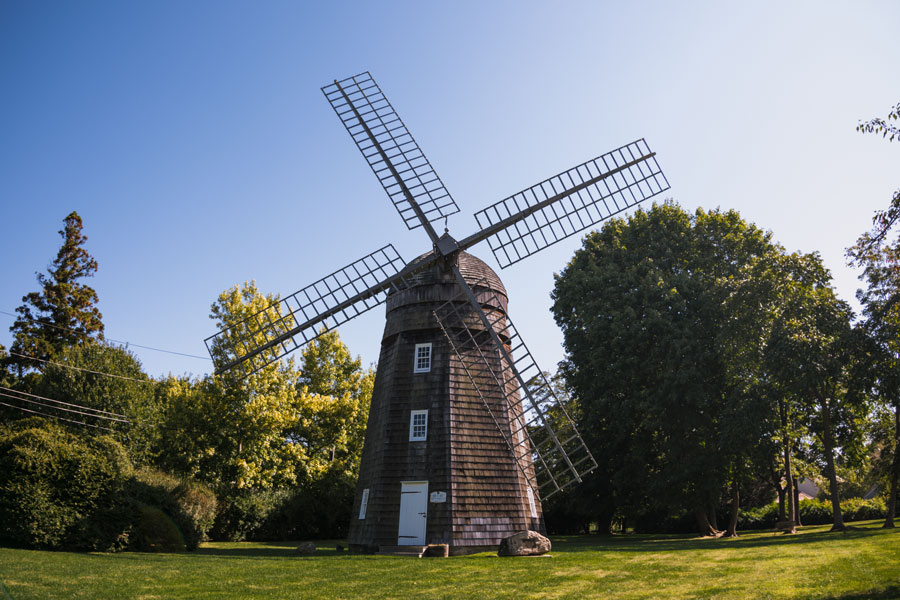
Bridgehampton, New York is a historic hamlet in the heart of the Hamptons on Long Island’s South Fork, within the Town of Southampton. Roughly 100 miles east of Manhattan, it is known for its blend of historic hamlet character, open farmland, equestrian culture, nearby Atlantic beaches, and high-end seasonal estates.
Historical Roots & Heritage
Settled in the 17th century and traditionally said to have been named for an early bridge over local wetlands, Bridgehampton retains a strong colonial and agricultural identity. Notable historic sites include the Nathaniel Rogers House, an 1840 Greek Revival landmark operated as part of the Bridgehampton Museum, and the Beebe Windmill, built in 1820 and widely recognized as one of Long Island’s best-known surviving smock mills. Together, these landmarks help anchor the hamlet’s sense of place within the modern Hamptons landscape.
Population & Demographics
- Population: Recent census-based counts place the year-round population at about 1,300 residents, though seasonal occupancy rises sharply during the warmer months.
- Households & income: Bridgehampton has a small permanent population and a comparatively affluent housing market by Long Island standards, with household income and property values shaped by the area’s desirability and second-home demand.
- Housing profile: Owner-occupied homes, luxury properties, and seasonal residences all play a major role in the local real estate picture.
Landscape & Agriculture
Bridgehampton still reflects its agrarian roots through working farmland, horse properties, vineyards, farm stands, and seasonal flower fields. The hamlet is especially associated with the Hamptons’ equestrian tradition, highlighted each year by the Hampton Classic Horse Show and a long-established summer culture shaped by riding, polo, and country estates.
Schools & Culture
- The Bridgehampton Union Free School District serves a small local student body. Its boys basketball program, known as the “Killer Bees,” has earned statewide recognition with multiple championship runs.
- Cultural highlights include the Bridgehampton Museum, Dia Bridgehampton — the Dia Art Foundation site formerly known as the Dan Flavin Art Institute — and the Children’s Museum of the East End (CMEE), a popular family destination with exhibits, play spaces, and programs.
Events, Recreation & Attractions
- Bridgehampton’s summer calendar is closely tied to the Hampton Classic Horse Show, one of the region’s signature seasonal sporting events.
- Outdoor and family-friendly attractions include Bridge Gardens, the South Fork Natural History Museum & Nature Center (SOFO), and trail networks connected to the scenic Long Pond Greenbelt.
- Historic and cultural stops include Bridgehampton Museum properties such as the Nathaniel Rogers House and Beebe Windmill; tour availability, exhibits, and grounds access may vary.
- The hamlet center along Main Street and Montauk Highway offers boutiques, galleries, cafés, and easy access to nearby farm stands and South Fork ocean beaches.
- Although the historic Bridgehampton Race Circuit no longer operates, its legacy remains part of local motorsports history and is still remembered through archival material, local history collections, and surviving references to the former course.
- Beach access rules, museum hours, and garden schedules can vary by season, so it is wise to check ahead before visiting.
Transportation & Access
- Bridgehampton is served by the LIRR at Bridgehampton station on the Montauk Branch. Train frequency can be limited compared with busier western Long Island stations, and schedules may vary by season or day of week.
- Most visitors arrive by car via Montauk Highway and nearby South Fork roadways. During peak summer weekends, travel times, parking availability, and local traffic can change significantly.
- Regional coach and bus options also serve the South Fork, but stop locations and service details may change, especially in peak season. Confirm current schedules before planning a car-free trip.
Bridgehampton, New York
Quick Facts
| Feature | Details |
|---|---|
| Population | About 1,300 year-round residents by recent counts; population swells seasonally |
| Setting | Historic South Fork hamlet with farmland, estates, a compact downtown area, and nearby beaches |
| Housing | High-value residential market shaped by owner-occupied, estate, and seasonal homes |
| Heritage & Landmarks | Bridgehampton Museum properties, Nathaniel Rogers House, Beebe Windmill |
| Education | Bridgehampton UFSD; noted “Killer Bees” basketball tradition |
| Culture & Arts | Bridgehampton Museum, Dia Bridgehampton, CMEE, Bridge Gardens |
| Events | Hampton Classic and a long-established equestrian summer scene |
| Recreation | Farms, vineyards, garden spaces, trails, nature programming, and nearby South Fork beaches |
| Transit | LIRR Montauk Branch station; most trips are made by car, with additional regional bus and coach options |
Bridgehampton offers a polished blend of rural heritage, cultural institutions, equestrian tradition, and classic Hamptons scenery. For visitors, it works equally well as a stop for historic landmarks and museums, a base for exploring the South Fork, or a scenic place to enjoy gardens, farm country, and nearby beaches. Because traffic, parking rules, and public hours can shift with the season, checking ahead is the best way to plan a smooth visit.
Are you ready for fall on Long Island? Check out these local seasonal guides:
🍎 Apple Picking 🍓 Strawberry Picking 🎃 Pumpkin Picking 👻 Haunted Houses 🍂 Farm Festivals