

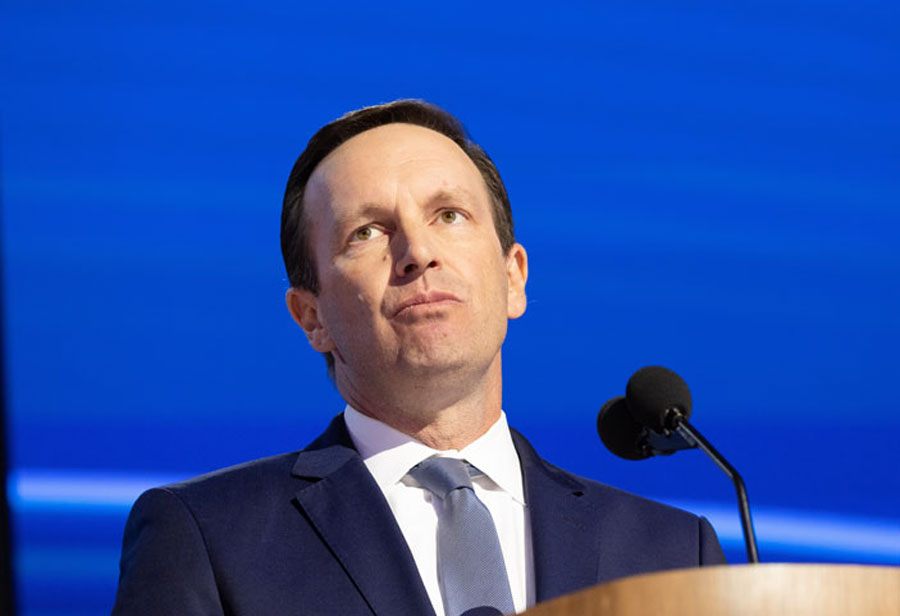
LONG ISLAND, NY – A resurfaced media clip featuring neighboring Connecticut Senator Chris Murphy, whose state sits just across Long Island Sound, has reignited debate over immigration language after he referred to individuals living in the United States without legal status as “undocumented Americans.”
The phrase has drawn sharp criticism from commentators, including Bill O’Reilly, who argued that the wording is fundamentally contradictory and misleading when interpreted literally.
At the center of the controversy is a basic question of definition: can someone be both “undocumented” and “American” at the same time?
A Question of Definition
Under U.S. law, the term “American” generally refers to a citizen or national of the United States, either by birth or through naturalization. By contrast, “undocumented” is commonly used to describe individuals who do not have legal authorization to reside in the country.
Critics argue that combining the two terms creates a direct contradiction.
From this perspective, the issue is not political intent, but factual accuracy. An individual cannot simultaneously lack legal status and be recognized as an American under existing law.
Language vs. Legal Status
Supporters of the terminology counter that the phrase is not meant to be taken literally. Instead, they say it reflects a broader, more cultural or humanitarian view of identity – referring to people who live, work, and build lives in the United States over long periods of time.
That distinction, however, highlights a deeper divide in how immigration is discussed:
- Legal framework – defines status based on citizenship and authorization
- Cultural framing – emphasizes residency, contribution, and identity
The tension between those two perspectives has become increasingly visible in public discourse, particularly as immigration reform efforts continue to stall in Washington.
Fuel for Political Commentary
The wording has also proven to be a flashpoint in political media. Critics argue that phrases like “undocumented Americans” introduce ambiguity into an issue that is otherwise clearly defined in law.
For commentators, the phrase provides a clear target. By focusing on its literal meaning, opponents argue it illustrates a broader pattern of imprecise or ideologically driven language in the immigration debate.
At the same time, defenders maintain that such language reflects evolving views about national identity and the role of long-term residents who lack formal legal status.
A Broader Debate That Remains Unresolved
The controversy underscores a larger issue that has persisted for decades: the inability of lawmakers to reach consensus on immigration reform.
Disagreements remain over:
- who should qualify for legal status
- how enforcement should be handled
- whether pathways to citizenship should be expanded
While policy negotiations continue to stall, the language used to describe the issue has itself become part of the conflict.
Key Facts and Details
| Topic | Details |
|---|---|
| Central Issue | Debate over the phrase “undocumented Americans” and whether it is factually accurate |
| Key Figure | Chris Murphy |
| Criticism | Opponents argue the phrase is an oxymoron that contradicts legal definitions of citizenship |
| Media Reaction | Amplified by commentators including Bill O’Reilly |
| Legal Definition | “American” refers to a U.S. citizen or national; “undocumented” refers to a person without legal immigration status |
| Core Argument | A person cannot simultaneously be undocumented and legally recognized as an American |
| Counterargument | Supporters say the phrase reflects cultural identity and long-term residency, not legal status |
| Broader Context | Ongoing national debate over immigration reform and terminology used in policy discussions |