

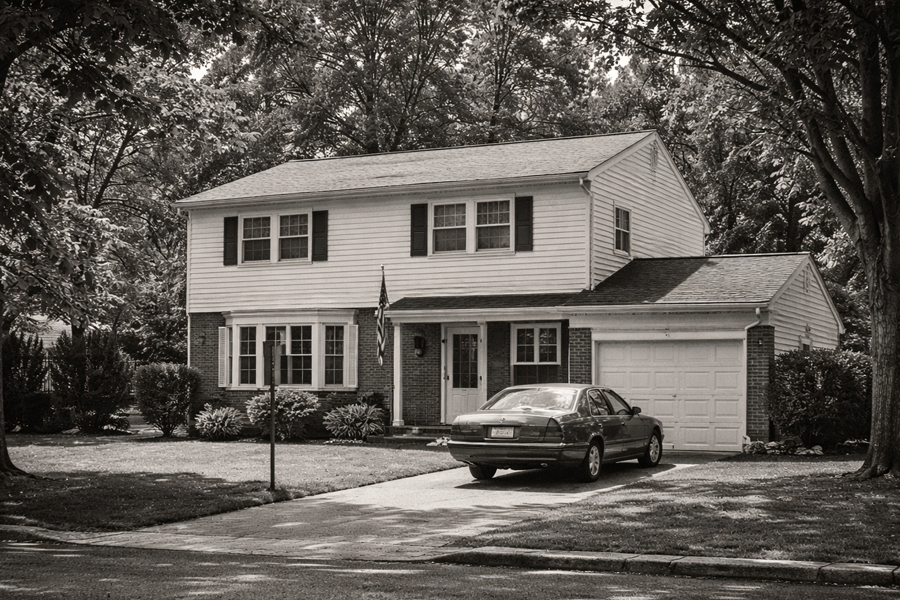
MASSAPEQUA, NY – On May 19, 1992, a quiet residential neighborhood in Massapequa, Nassau County, became the center of one of the most widely publicized criminal cases in modern Long Island history. What began as a local shooting quickly escalated into a national media phenomenon involving a teenage defendant, a married auto body shop owner, and a victim who survived a near-fatal gunshot wound.
More than three decades later, the case involving Amy Fisher, Mary Jo Buttafuoco, and Joey Buttafuoco remains one of the most recognizable crimes ever connected to Long Island.
This is a look back at what happened, how the case unfolded, and why it continues to be remembered.
The Shooting in Massapequa
On the afternoon of May 19, 1992, Mary Jo Buttafuoco answered the door of her Massapequa home. Standing outside was 17-year-old Amy Fisher. According to court records and trial testimony, Fisher shot Buttafuoco in the head at close range before fleeing the scene.
Despite the severity of her injuries, Mary Jo Buttafuoco survived after undergoing extensive medical treatment. The shooting immediately drew the attention of Nassau County law enforcement and local media outlets.
Within a day, authorities arrested Amy Fisher. Investigators alleged that Fisher had been involved in a relationship with Mary Jo’s husband, Joey Buttafuoco, who operated an auto body shop in the area.
What might have remained a serious but localized criminal case quickly gained broader attention as details of the alleged relationship emerged.
Arrest and Criminal Charges
Amy Fisher was charged in connection with the shooting and initially pleaded not guilty. The case moved through the Nassau County court system amid intense media scrutiny.
Ultimately, Fisher accepted a plea agreement. In 1993, she pleaded guilty to first-degree aggravated assault. She was sentenced to 5 to 15 years in prison.
She served approximately seven years before being released on parole in 1999.
Joey Buttafuoco initially denied having a relationship with Fisher but later pleaded guilty to statutory rape and served a jail sentence related to that charge.
A Media Explosion
What distinguished the Massapequa shooting from many other criminal cases was the scale of national coverage it received. Tabloid newspapers, television news programs, and talk shows devoted extensive airtime and print space to the case. Fisher was labeled “The Long Island Lolita,” a nickname that became widely used in headlines across the country.
In 1993 alone, three separate made-for-television movies were produced based on the case. The speed and volume of media adaptation were unusual and reflected the level of public fascination surrounding the story. For many outside New York, the case became their first major exposure to suburban Long Island.
Impact on Long Island’s Image
In the early 1990s, Long Island was often portrayed as an affluent suburban region outside New York City. The case disrupted that perception and placed a Nassau County community at the center of national tabloid culture.
Massapequa, a typically quiet residential area, suddenly found itself referenced in newspapers and broadcasts nationwide. Local residents at the time described an influx of media vehicles, reporters, and curiosity seekers. The case not only affected the individuals involved but also temporarily altered how Long Island communities were portrayed in popular media.
Life After the Trial
Following her release from prison in 1999, Amy Fisher sought to rebuild her life. Over the years, she gave interviews, authored books, and at various points pursued media and entertainment-related ventures.
Joey Buttafuoco later relocated and faced additional legal troubles unrelated to the original shooting case. Mary Jo Buttafuoco became an advocate for domestic violence awareness and has spoken publicly about her recovery and survival.
The individuals involved moved forward in different ways, but the 1992 shooting remains a defining event in Long Island criminal history.
Why the Case Is Still Remembered
Several factors contribute to the case’s lasting recognition:
- The young age of the defendant
- The dramatic circumstances of the crime
- The survival of the victim
- The alleged romantic relationship at the center of the motive
- The unprecedented level of media coverage
- The rapid adaptation into television films
Unlike many crimes that fade from public memory, the Amy Fisher case continues to resurface in documentaries, retrospective news pieces, and discussions of 1990s media culture.
Search interest remains steady for terms such as “Amy Fisher now,” “Joey Buttafuoco today,” and “Long Island Lolita case.”
The Case in Historical Context
More than 30 years later, the Massapequa shooting is viewed not only as a criminal case but also as a reflection of early 1990s media dynamics. It occurred during a period when tabloid newspapers and syndicated television programs were rapidly expanding their reach.
The case demonstrated how a local event could quickly become national news, particularly when personal relationships and dramatic circumstances were involved.
For Long Island, it stands alongside other notable criminal cases as part of the region’s documented history.
Key Facts and Details
| Category | Information |
|---|---|
| Incident Date | May 19, 1992 |
| Location | Massapequa, Nassau County, New York |
| Defendant | Amy Fisher |
| Victim | Mary Jo Buttafuoco |
| Related Individual | Joey Buttafuoco |
| Defendant Age at Time | 17 years old |
| Charge | First-Degree Aggravated Assault (plea agreement) |
| Sentence | 5 to 15 years in prison |
| Time Served | Approximately 7 years |
| Year of Release | 1999 |
| Media Impact | Three made-for-television films produced in 1993 |
| Case Nickname | “Long Island Lolita” case |
A Lasting Chapter in Long Island History
The 1992 Massapequa shooting remains one of the most widely recognized criminal cases ever connected to Nassau County. While the individuals involved have moved on with their lives, the case continues to be referenced in discussions of crime, media influence, and suburban America in the 1990s.
For Long Island residents, it represents a moment when a quiet neighborhood became national news — and when a local criminal case evolved into a cultural event that still draws interest decades later.