
AI Shows What Jim Morrison Might Look Like Today If “The Lizard King” and Doors Frontman Had Lived Past 27

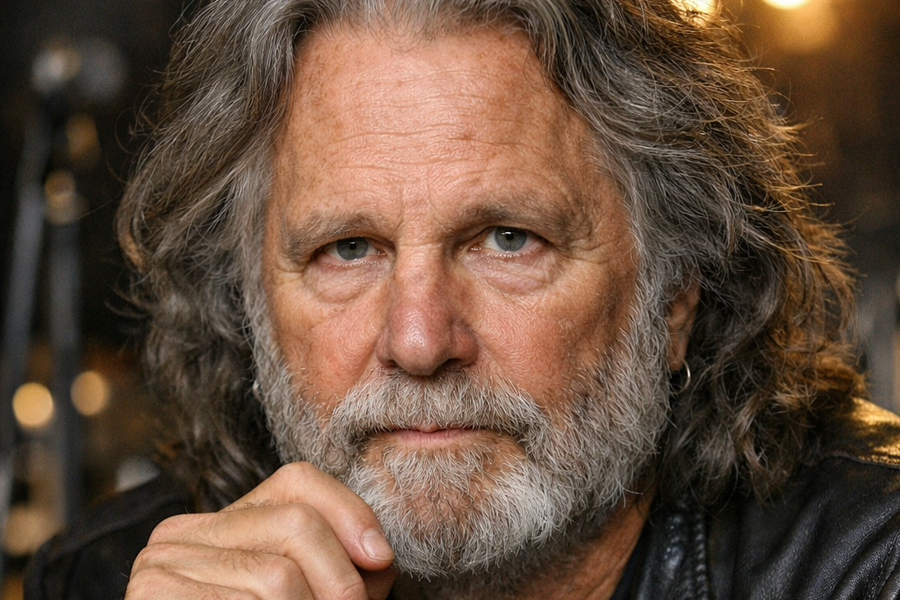
NEW YORK, NY – Jim Morrison’s life ended suddenly in Paris in 1971, freezing him in cultural memory as the wild‑eyed 27‑year‑old poet of The Doors. Now, generative AI has taken fans beyond that final chapter, imagining how the singer might appear today if he had grown old instead of becoming one of the most famous members of the so‑called “27 Club.” The new portrait, created with ChatGPT image tools, re‑casts Morrison as an older man whose silver hair, weathered skin and thoughtful expression hint at a lifetime he never got to live.
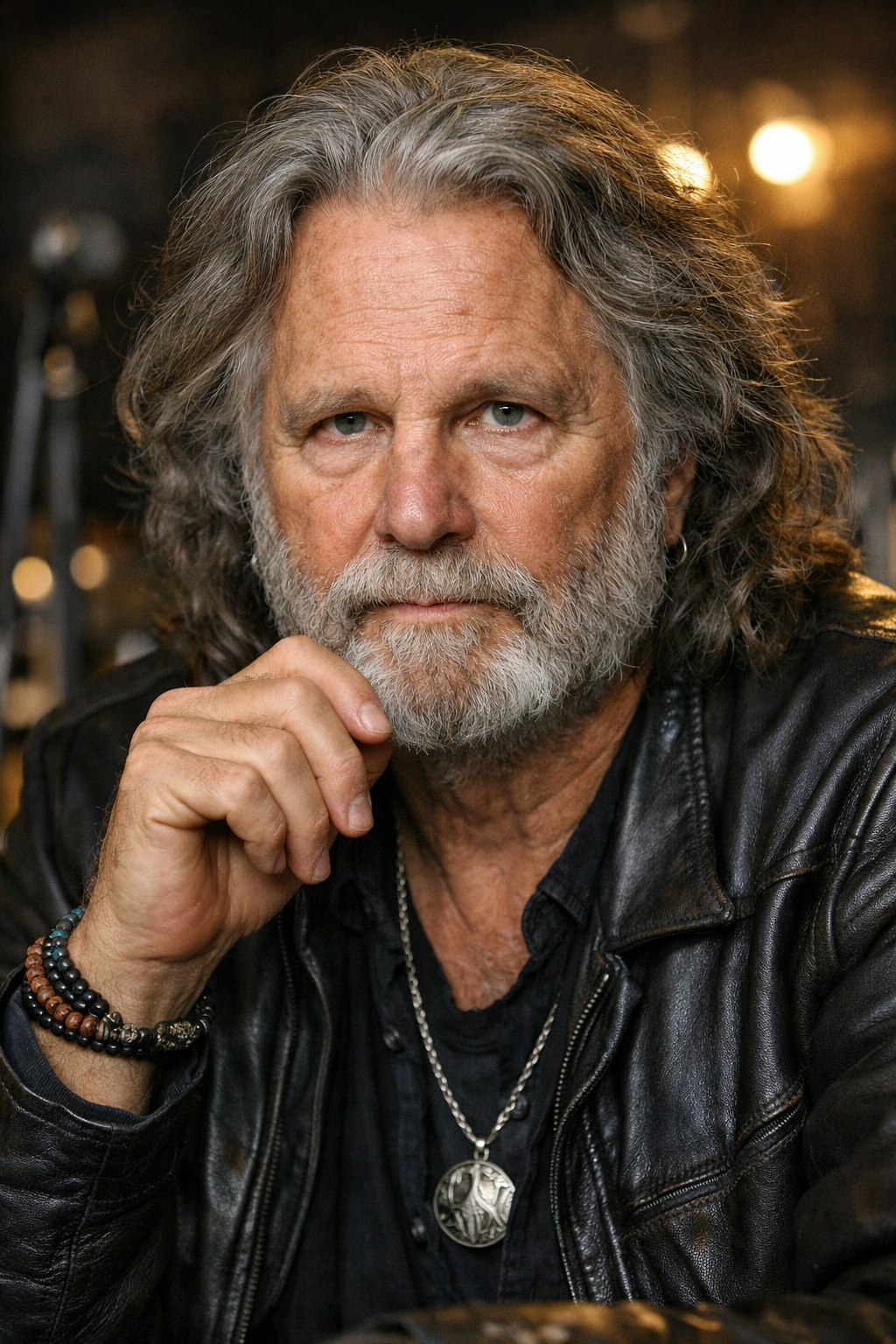
In the featured image, Morrison is styled like a seasoned rock elder: grey curls frame his face, a worn leather jacket replaces the bare‑chested 60s look, and layered jewelry nods to his enduring bohemian spirit. The AI‑generated details, from the lines on his hands to the texture of his beard, give the impression of a musician who has spent decades on the road, writing, performing and reflecting on a turbulent era that shaped modern rock.
Before imagining the man he might have become, it helps to recall the one the world actually knew. Morrison formed The Doors in Los Angeles in 1965 with keyboardist Ray Manzarek, guitarist Robby Krieger and drummer John Densmore, quickly becoming famous for his hypnotic stage presence and poetic, often provocative lyrics. Songs like “Light My Fire,” “Riders on the Storm” and “People Are Strange” helped define the psychedelic rock sound of the late 1960s and cemented Morrison as one of rock’s most enigmatic frontmen.
Offstage, Morrison’s life was marked by alcohol and drug abuse, volatile relationships and frequent clashes with authority, including obscenity charges stemming from his live performances. After years of chaos and legal trouble, he moved to Paris in 1971 seeking a quieter life to write poetry, only to be found dead in his apartment’s bathtub that July, with the official cause listed as heart failure. His early death, combined with his literary ambitions and rebellious image, helped turn him into a mythic figure whose story has been revisited in books, documentaries and films for decades.
The new AI portrait suggests an alternate timeline in which Morrison survives that fateful Paris summer and grows into a reflective elder statesman of rock. In the image, his hair has gone grey but remains long and unruly, echoing the untamed persona that once stalked concert stages, while the wrinkles around his eyes suggest years of experience rather than excess. The leather jacket and silver pendant feel like natural extensions of his 1960s style, updated to match a more mature figure who might give measured interviews instead of drunken rants.
It is easy to imagine this older Morrison experimenting with spoken‑word projects, collaborating with younger bands and publishing the poetry collections he once dreamed of finishing. In a music landscape where other icons of his era, from surviving members of The Rolling Stones to Paul McCartney, continue to tour and record well into their later years, the AI rendering invites fans to picture Morrison following a similar path, perhaps shifting from dangerous provocateur to respected, if still unpredictable, artist.
This image of an aged Jim Morrison joins a growing wave of AI‑generated portraits showing how famous musicians might look if they were still alive today, including Elvis Presley, John Lennon and Freddie Mercury. Artists working with tools such as Midjourney, DALL·E and other generative models feed in archival photos and stylistic prompts to produce realistic depictions that blend historical reference with educated guesswork about aging, fashion and personality.
For fans, these creations can feel both comforting and unsettling: comforting because they offer a sense of closure, as if beloved figures have been allowed to live on; unsettling because they raise questions about where the line lies between tribute and digital resurrection. Similar technology is already being used in concerts and immersive shows, such as AI‑driven holographic performances that reconstruct late artists on stage using archival recordings, motion capture and projection. As these tools become more powerful, families, estates and audiences will have to decide how far they are comfortable going in bringing icons “back” in virtual form.
More than fifty years after his death, Morrison remains a symbol of artistic freedom, self‑destruction and countercultural rebellion. His lyrics drew heavily on philosophy, literature and cinema, and he often spoke of wanting to be remembered as a poet rather than just a rock singer, a tension that continues to attract new generations of listeners. The AI portrait taps directly into that ongoing fascination by suggesting what might have happened if he had lived long enough to reconcile those sides of himself.
Seeing Morrison with grey hair and a lined face also humanizes a figure often trapped in myth, reminding viewers that behind the legend was a young man who never got the chance to grow old. In that sense, the featured image is less about perfect accuracy and more about emotional speculation – a way for fans to imagine a world where The Doors’ frontman outlived the 27 Club, kept writing, and eventually took his place among rock’s wise elders instead of its fallen heroes.
TOP Q&A: The Doors Frontman Jim Morrison
Who was Jim Morrison?
Jim Morrison was the iconic lead singer and lyricist of The Doors, one of the most influential rock bands of the late 1960s. Known for his deep voice, poetic lyrics, and unpredictable stage presence, Morrison became a symbol of rebellion and counterculture.
When was Jim Morrison born?
Jim Morrison was born on December 8, 1943, in Melbourne, Florida.
How did Jim Morrison die?
Jim Morrison was found dead in a bathtub in Paris on July 3, 1971, at the age of 27. His death was officially ruled as heart failure, though no autopsy was performed, which has fueled decades of speculation and conspiracy theories.
Why did Jim Morrison move to Paris?
Morrison moved to Paris in 1971 to escape fame, legal troubles in the U.S., and the pressures of stardom. He hoped to focus on writing poetry and living a quieter life away from the spotlight.
What made Jim Morrison such a controversial figure?
Morrison was known for provocative lyrics, explicit stage behavior, and clashes with authorities. He was arrested multiple times, most famously for alleged indecent exposure during a 1969 concert in Miami – a case that followed him until his death.
Why is Jim Morrison called ‘The Lizard King’?
Morrison adopted the nickname “The Lizard King” from his poem Celebration of the Lizard, reflecting his fascination with mythology, shamanism, and transformation. The persona became central to his public image.
What are Jim Morrison’s most famous songs?
Some of Morrison’s most iconic performances include:
- Light My Fire
- Riders on the Storm
- Break On Through (To the Other Side)
- People Are Strange
- The End
Was Jim Morrison really a poet?
Yes. Morrison considered himself a poet first and a rock star second. He published poetry during his lifetime and left behind notebooks that were released posthumously, reinforcing his reputation as a serious literary figure.
Is Jim Morrison really buried in Paris?
Yes. Jim Morrison is buried at Père Lachaise Cemetery in Paris, where his grave has become one of the most visited musician memorials in the world.
Why is Jim Morrison still so famous today?
Morrison’s legacy endures because of his raw charisma, literary ambition, and the mystery surrounding his life and death. His image as a gifted artist who died young has cemented his place as a permanent cultural icon.