
Emergency Autoland System Guides Aircraft to Safe Landing in Colorado; First Verified Use In Operational Context

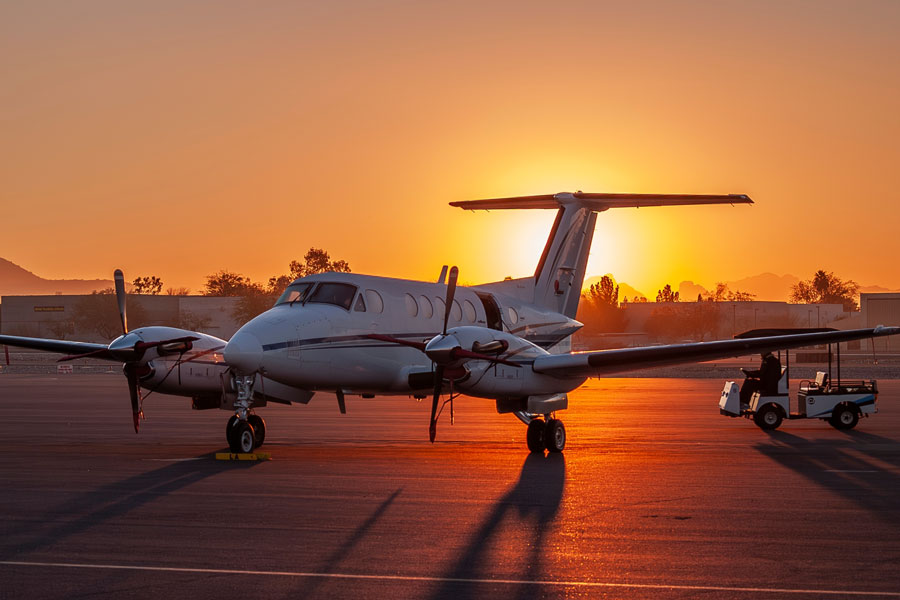
BROOMFIELD, CO – A Beechcraft King Air turboprop aircraft made an unprecedented autonomous landing at Rocky Mountain Metropolitan Airport in Broomfield, Colorado, on Saturday, after its onboard emergency safety system assumed control, according to federal and industry sources.
The plane, registered as N479BR and operated by Buffalo River Aviation, had departed Aspen-Pitkin County Airport shortly after 1:40 p.m. local time on a flight toward the Denver area when the situation unfolded. Flight tracking data indicates the aircraft touched down at Rocky Mountain Metropolitan at approximately 2:19 p.m. on December 20, 2025, with no injuries reported.
According to a statement from the Federal Aviation Administration (FAA), an onboard emergency Autoland system was activated during the flight, and the aircraft landed safely without manual control by the flight crew. FAA representatives confirmed they are reviewing the circumstances surrounding the activation.
Automated radio transmissions recorded by aviation listeners captured the aircraft broadcasting updates to air traffic control about an emergency and its approach to Runway 30. The communications included references to “pilot incapacitation,” a phrase generated by the system and not necessarily reflective of the pilots’ actual condition, according to the aircraft operator’s later comments.
Pressurization Loss Trigger
In statements released to multiple outlets, Buffalo River Aviation said the airplane experienced a “rapid, uncommanded loss of pressurization” at cruise altitude. Per standard safety protocols, the crew donned oxygen masks, and the aircraft’s emergency systems responded. Autoland engaged as designed once the cabin altitude exceeded safe levels, guiding the aircraft to the airport.
Garmin International, the developer of the Autoland technology, confirmed the system activation and said it resulted in a successful landing at the Colorado airport. Garmin noted that it intends to provide further details at a later date.
How Autoland Works
Garmin’s emergency Autoland system, first introduced for general aviation aircraft in 2019, is designed to assume full control of a plane if a pilot is unable to fly. The system evaluates conditions such as runway length, terrain, and weather to identify a viable airport and then autonomously navigates, communicates with air traffic control, and lands the aircraft.
Previously, Autoland technology had been tested but had not been documented in a real-world emergency scenario outside controlled demonstrations or certifications. Aviation analysts described Saturday’s event as the system’s first verified use in an operational context.
Responses and Investigation
Local emergency responders, including North Metro Fire Rescue and Westminster Fire Department, were on standby as the aircraft landed but did not report treating any occupants at the scene.
The National Transportation Safety Board (NTSB) also acknowledged awareness of the incident and said it is gathering information to assess whether the situation warrants a formal investigation. FAA officials have similarly declined to offer detailed findings as inquiries continue.
The successful deployment of emergency Autoland in this case highlights ongoing advancements in aviation safety systems, particularly in managing rare but potentially catastrophic scenarios involving pilot incapacitation.
Timeline of Events: Emergency Autoland Landing
| Time (Approx.) | Event |
|---|---|
| Shortly after 1:40 p.m. (MT) | The Beechcraft King Air turboprop departs Aspen–Pitkin County Airport on a flight toward the Denver metro area. |
| En route over Colorado | The aircraft experiences a rapid, uncommanded loss of cabin pressurization, prompting an in-flight emergency. |
| Around 2:00 p.m. (MT) | Garmin’s emergency Autoland system activates automatically after detecting unsafe conditions and lack of pilot input. |
| Minutes later | An automated voice transmission alerts air traffic control of the emergency and announces an autonomous landing sequence. |
| Approach phase | The Autoland system selects Rocky Mountain Metropolitan Airport, communicates with controllers, and guides the aircraft to Runway 30. |
| Approximately 2:19 p.m. (MT) | The aircraft lands safely at Rocky Mountain Metropolitan Airport without pilot assistance. |
| Immediately after landing | Emergency vehicles stage as a precaution; both occupants exit safely with no reported injuries. |
| Following the incident | The FAA confirms the event and begins a review; Garmin confirms the system performed as designed. |
The incident is now under review by federal aviation authorities, but no injuries were reported and no damage to airport facilities was disclosed. Aviation experts say the successful use of emergency Autoland technology in a real-world scenario underscores how automated safety systems are increasingly serving as a critical last line of defense when rare in-flight emergencies occur. As regulators continue to evaluate the circumstances of the flight, the event is likely to be cited as a significant milestone in the evolution of general aviation safety.
Key Details
| Category | Details |
|---|---|
| Incident Date | Saturday, December 20, 2025 |
| Location | Rocky Mountain Metropolitan Airport, Broomfield, Colorado |
| Aircraft Type | Beechcraft King Air turboprop |
| Aircraft Registration | N479BR |
| Operator | Buffalo River Aviation |
| Departure Airport | Aspen–Pitkin County Airport (ASE) |
| Landing Airport | Rocky Mountain Metropolitan Airport (BJC) |
| Persons On Board | Two |
| Injuries Reported | None |
| Emergency Cause | Rapid loss of cabin pressurization |
| Safety System Activated | Garmin Emergency Autoland |
| Activation Time | Approximately 2:00 p.m. local time |
| Landing Time | Approximately 2:19 p.m. local time |
| Pilot Status | Pilot incapacitation indicated by automated system |
| Air Traffic Control | Automated voice alerts broadcast to ATC |
| Emergency Response | Fire and rescue units staged; no medical treatment required |
| Airspace Impact | Surrounding airspace restricted for approximately one hour |
| Technology Background | Garmin Autoland introduced in 2019 |
| Significance | First verified real-world emergency landing using Autoland |
| FAA Status | Incident under review |
| NTSB Status | Aware of incident; information gathering ongoing |